

The Sometimes Newsletter No.286

“. . . when life appeared to her like a grotesque pandemonium and humanity like worms struggling blindly toward inevitable annihilation.”
— Kate Chopin, from The Awakening
“In this summer which can at times be mistaken for the end of the world.”
— Ann Patchett, from Tom Lake

A short while ago, in a blaze composed of the usual—stricken with the need for tidiness, and hormones—I reorganised and took stock, literally, of all the copies of my books which—to the dismay mainly of others but also I will concede a bit to my own dismay—have been picked up and resettled in boxes and crates within rooms within houses more times than I would care to admit. I’ve never laid them out all together for any reason, or stopped to really behold all of their differing dimensions and moods—some feel more aligned with the original covers, some less so, and some even seem to do a better job of encapsulating the insides than their first covers. It landed differently, when I physically used my arms to pick up and stack each one, just how many printed copies of the words I wrote down and of the pictures I painted are out there. I think, a little, and just sometimes, it scares me.
It reminded me a bit of how, when in some people-filled place, like an airport or, as was the case last weekend, a huge open-air secondhand market, it seems as though that should be all the people? The total people. My brain thinks but how are there that any more, this is already so many? It also makes me think of how generally bad we are at comprehending timescales, or scales of much anything, be that death tolls or biodiversity loss or how many leaves there are on each tree or how many times you’ll get to say goodnight to someone.

The real purpose of the taking stock, though, was to have those numbers to hand when I inevitably redesign my website again, because although I spent a long time making it look quite weird and quite nice earlier this year, it turns out the way it is set up doesn’t mean a thing to search engine SEO any more—not terribly important to me, but it is on my mind because it is my job to publicise my work—and because I didn’t think properly about how I would be able or not able to put the store back together. When moving things between the last two iterations my solution was to just completely delete the store and all within it. As I said, oftentimes a blaze wherein I am stricken with the need for tidiness, and hormones.
(I wrote the numbers of each edition down on small pieces of paper, which I will no doubt then be unable to find when the times comes.)
Within the piles of book editions are photographs of my face back from when I still thought I’d take it upon myself to run away and live in a lighthouse, the endless small hauntings of artistic decisions I’d no longer choose to make, the translations of my words into languages I do not read and the realness of the people who undertook those translations, the dust jackets, the no dust jackets, the hard and soft covers all trying to promise their promises.

Of course it is easier to make promises than it is to honour them, like the promise to never buy cling film again, or the promise to always pick up litter when it has been noticed.
On Friday evening you spent ten minutes picking up small shards of glass out of the river, because I’d already sunk in to swim ahead of you and the route you had taken across the shallows to what we refer to as the island, a route different to mine, had walked you right into the path of the glass. The water, thin there, gentle enough that it seemed to have left behind enough glass for the entire bottle—rum, you said—and calling to me in the water you asked whether I had anything like a container. I did not, so you turned the drawstring bag you use to keep headphones in inside out, and slowly picked out the shards, dropping them into the bag one by one while I got cold. You were still picking them up when I was back on dry land, so I helped with the last ones and anything too microscopic to pick up we made sure to bury deeper by pulling out large rocks to create a sort of hollow and then placing them back on top of the affected area.
The Friday before that, having made dinner in the garden for friends, one of them—the one who did a PhD in microplastics—tells the group that a large part of why marine life, aquatic animals and birds and things, consume the amount of plastic they do is because the plastics, when degrading in the environment, give off a kind of chemical that, to a passing bird or fish or whoever, smells the same as decomposing natural material. So, they eat it, thinking it is perhaps a piece of seaweed. I don’t know if the degrading plastics do ever smell like seaweed specifically, but I do worry. So, I pick up trash when I see it, and think about how if more people picked up the trash than the number who tossed the trash out into the world, there presumably wouldn’t be any and we could all sleep better at night.
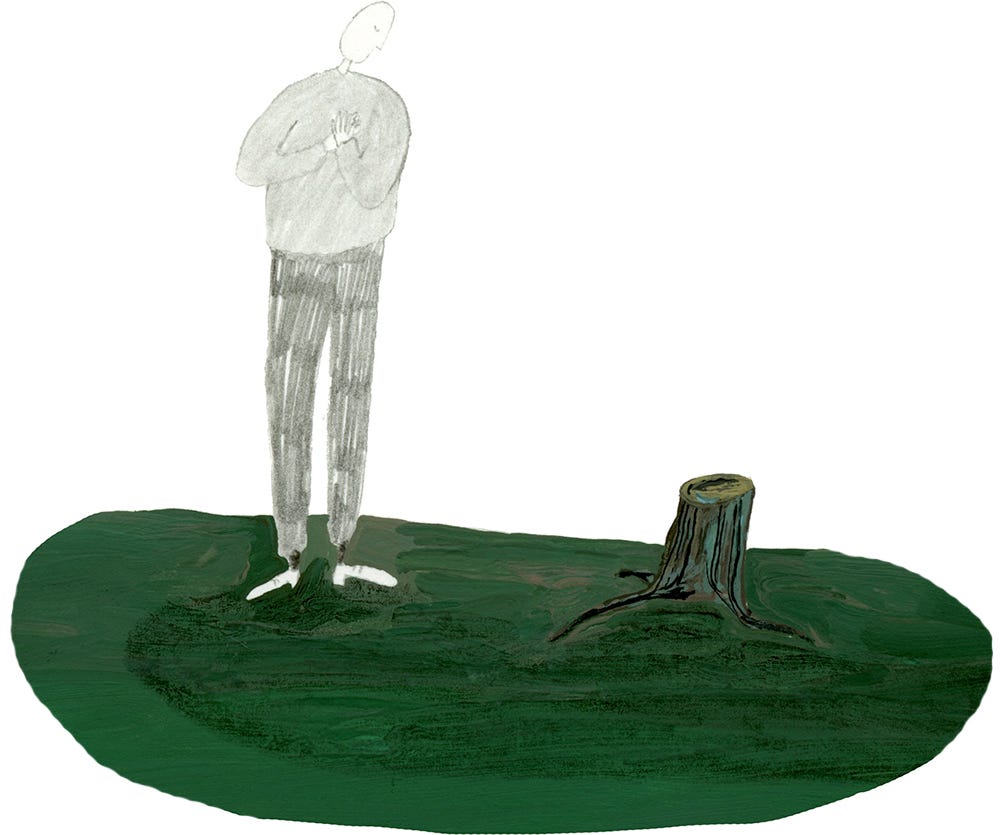
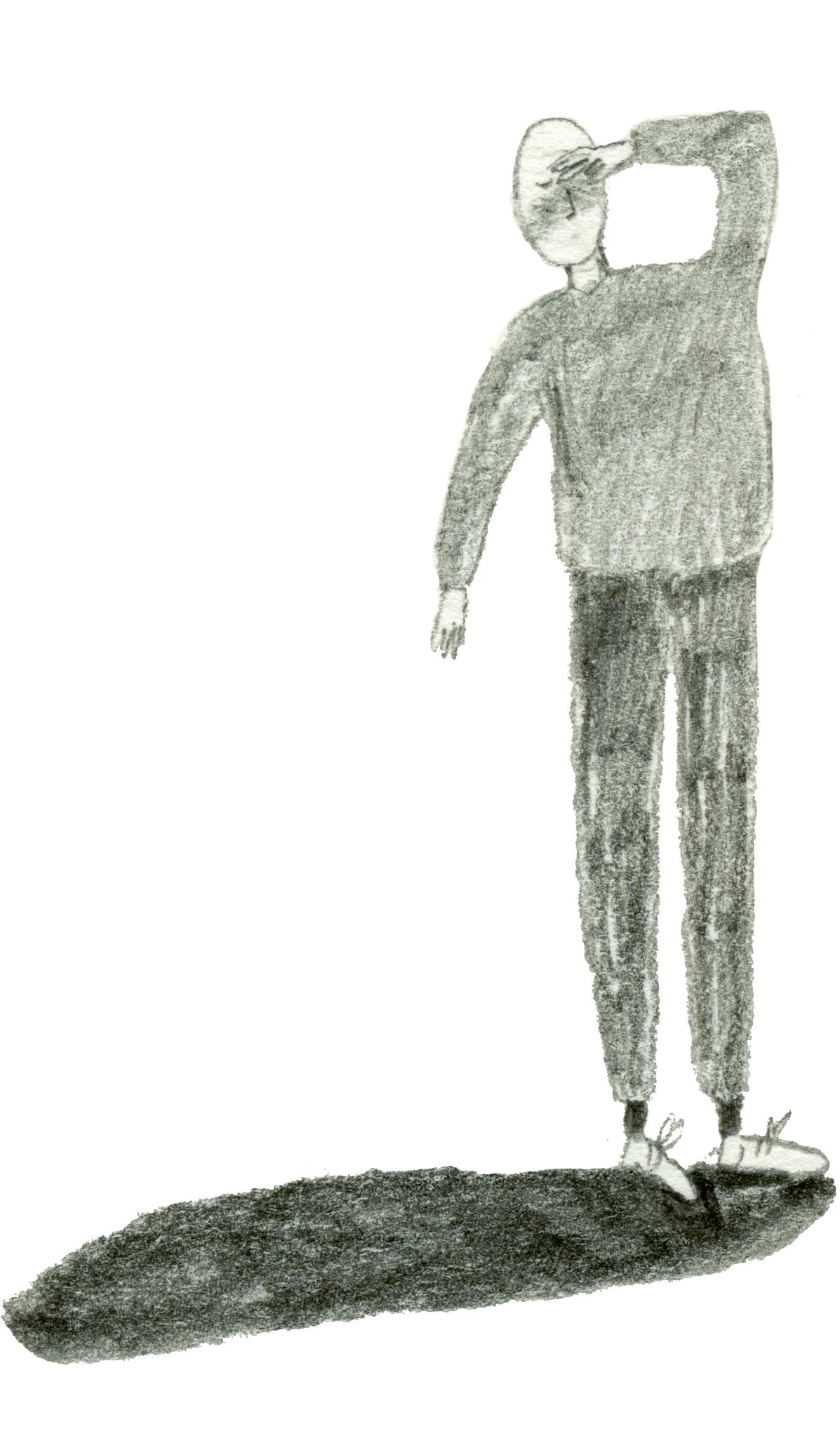
Here in Scotland we have, along with so many other places, been subjected to a heat wave, with the only rain in two or more weeks arriving yesterday night, but barely. It doesn’t even smell like rain, I thought, the ground doesn’t even smell like it should when it rains.
There is a fire in the Cairngorm mountain range, still burning, which on the night of the river glass made the entire town hazy, such was the wind direction I suppose, although we are eighty miles from the place which has since been fully evacuated after the fire just kept going. I could smell the smokiness, so maybe it was closer at that point, but maybe not. I think about how people still intentionally burn moors here in order to supposedly have fun shooting birds dead, and I think about now, no rain again, but instead strangely strong winds, strong enough to wake me at 5:30am this morning from a dream in which all my small potted seedlings were strewn around the garden.
A few hours later I walk to the Co-op in order to get ingredients for a dessert I will later take up the hill, and already it feels busy in the town, Saturday morning. There are two potted palms either side of the door into the Indian restaurant and one has blown over, so I cross the road and right it, with a middle-aged man, phone to ear, watching me from the rolled-down window of his parked Range Rover. I think to hell with all of you and then go on to completely forget the sugar.


THIS WEEK I FELL IN LOVE WITH:
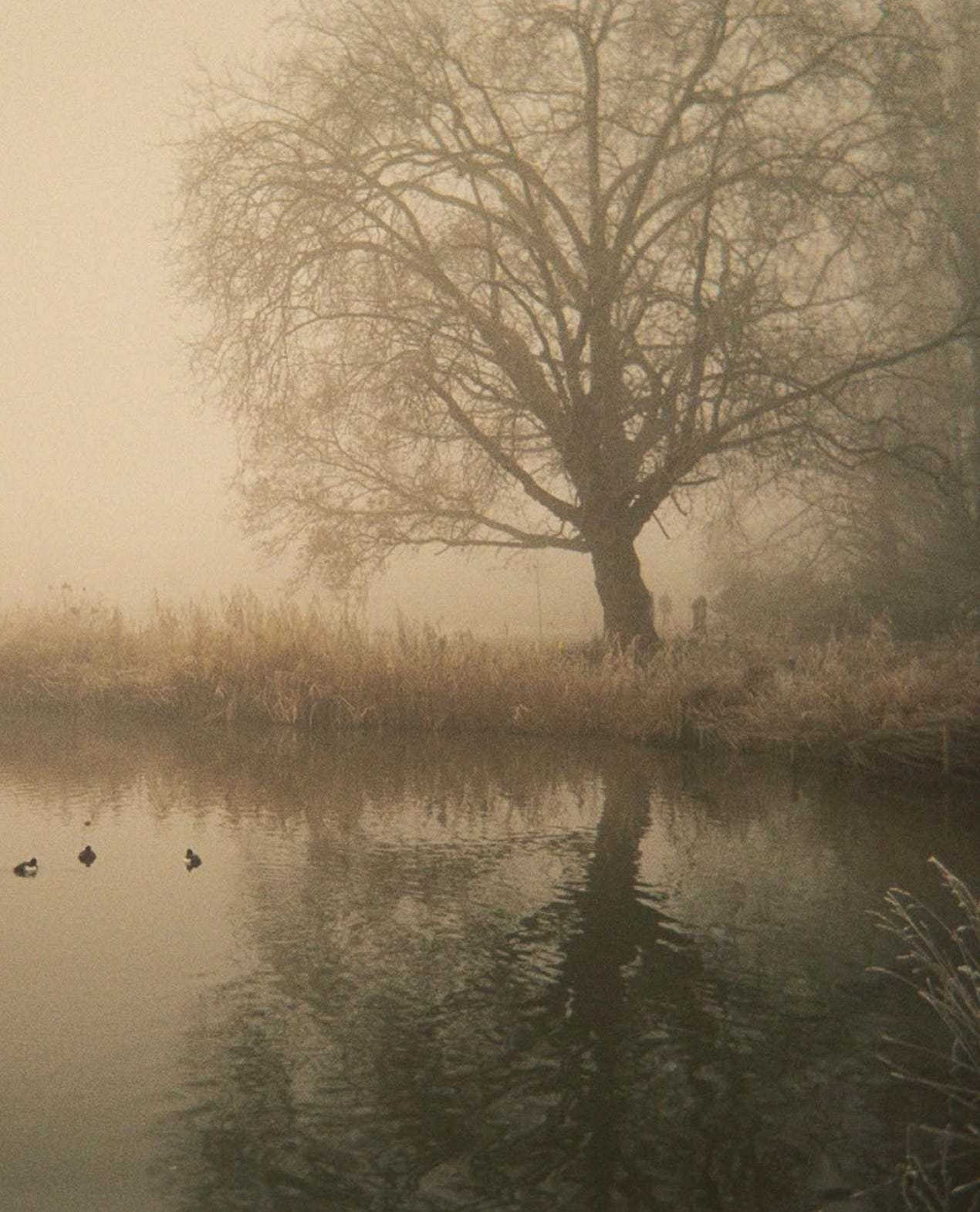
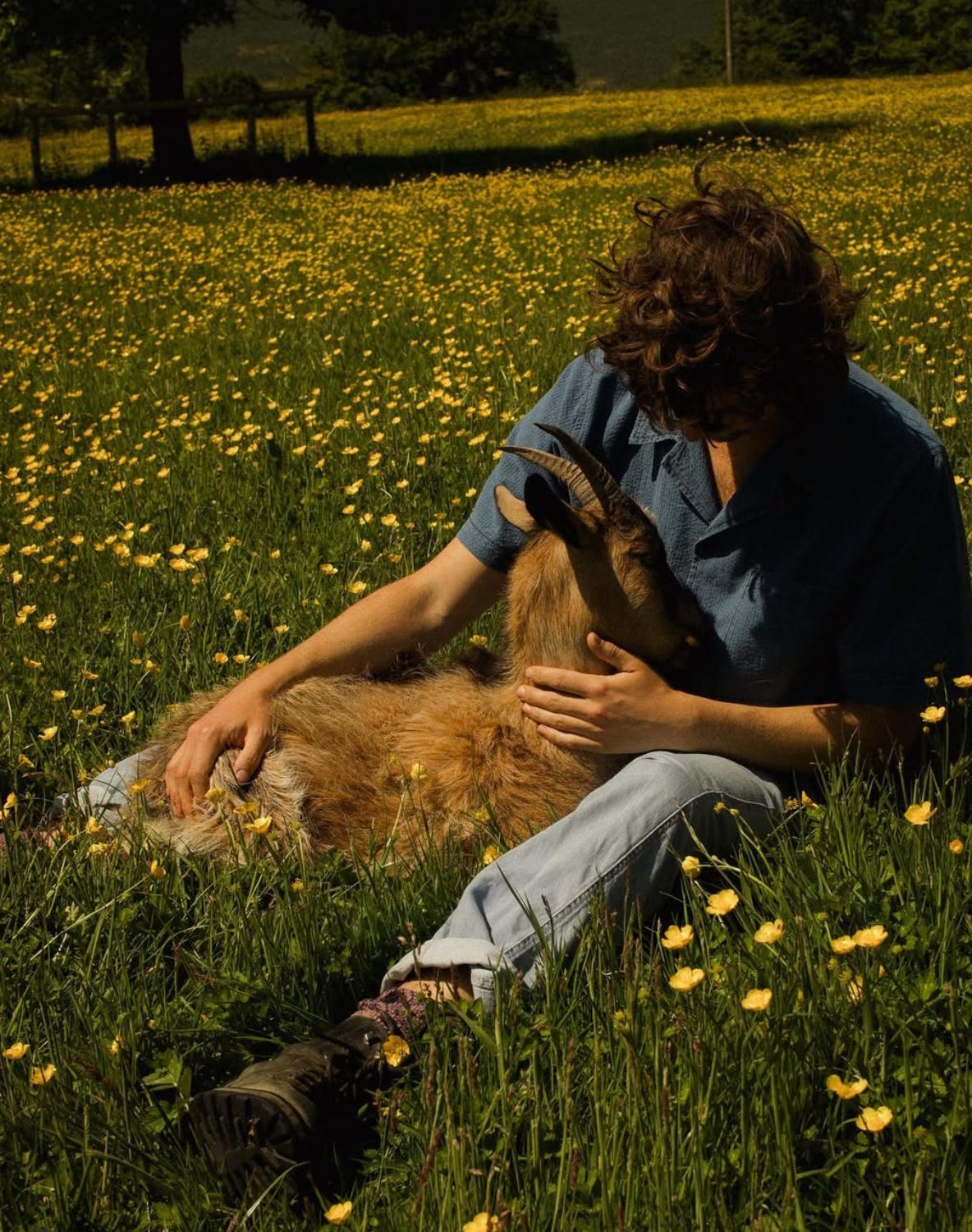
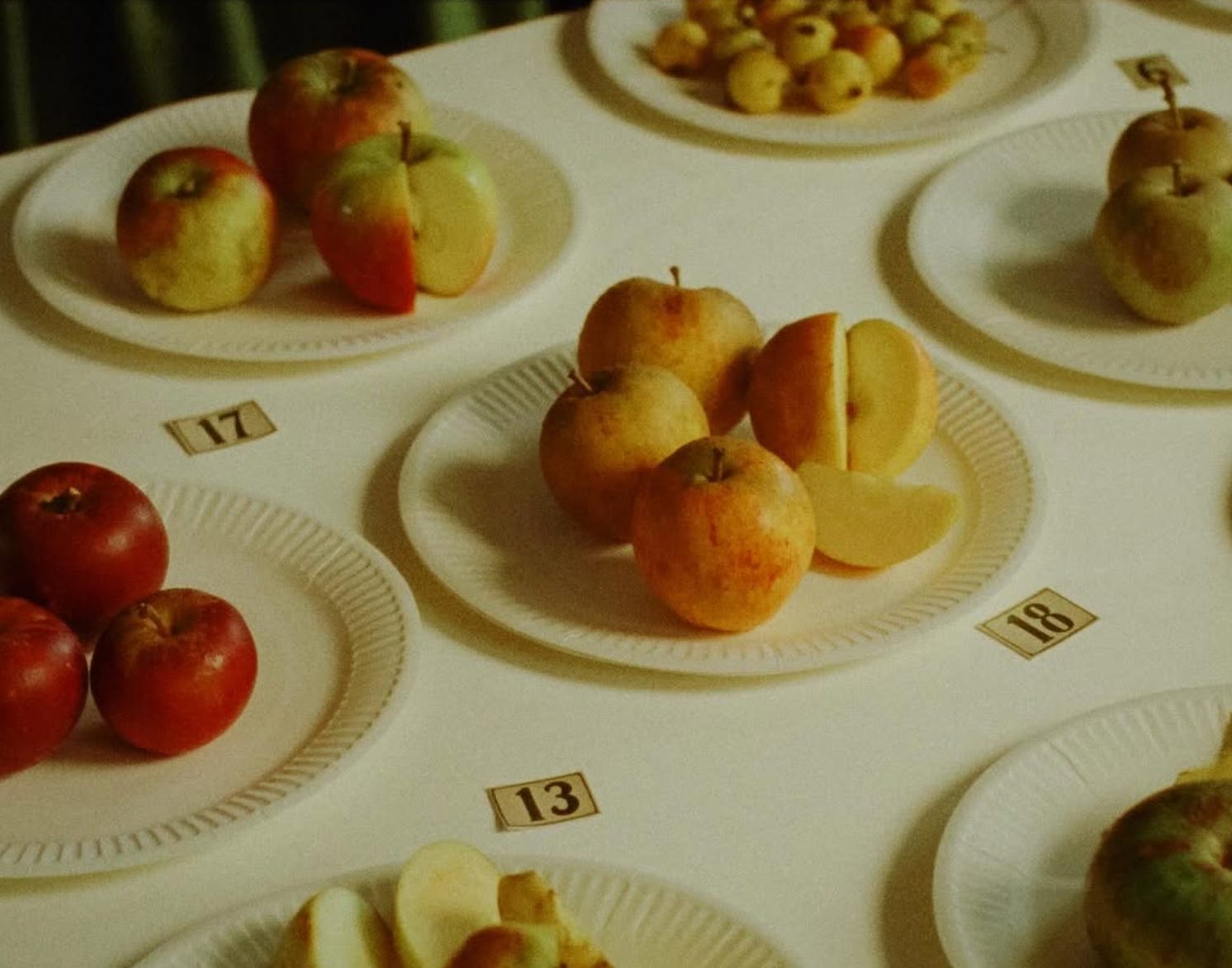
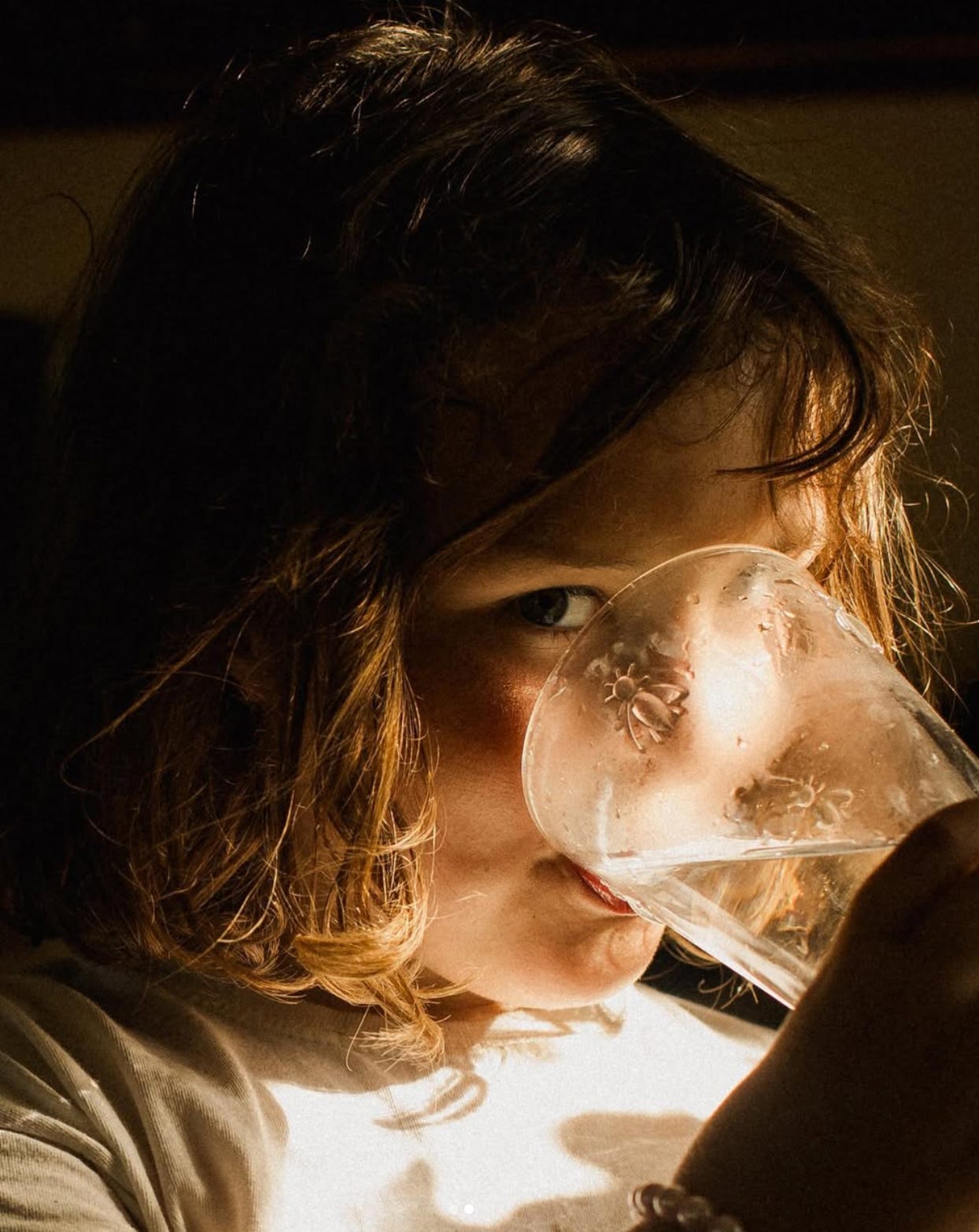
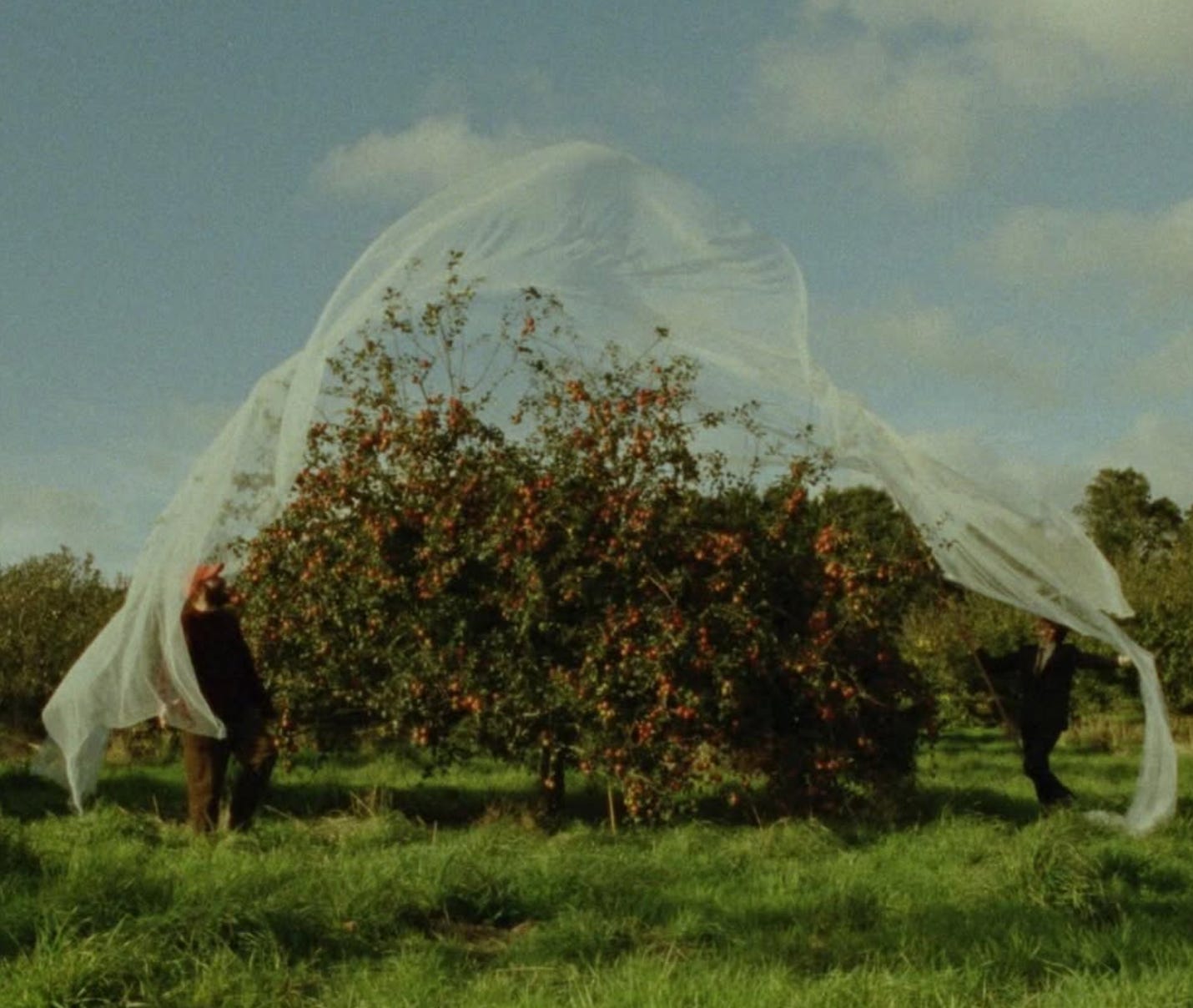
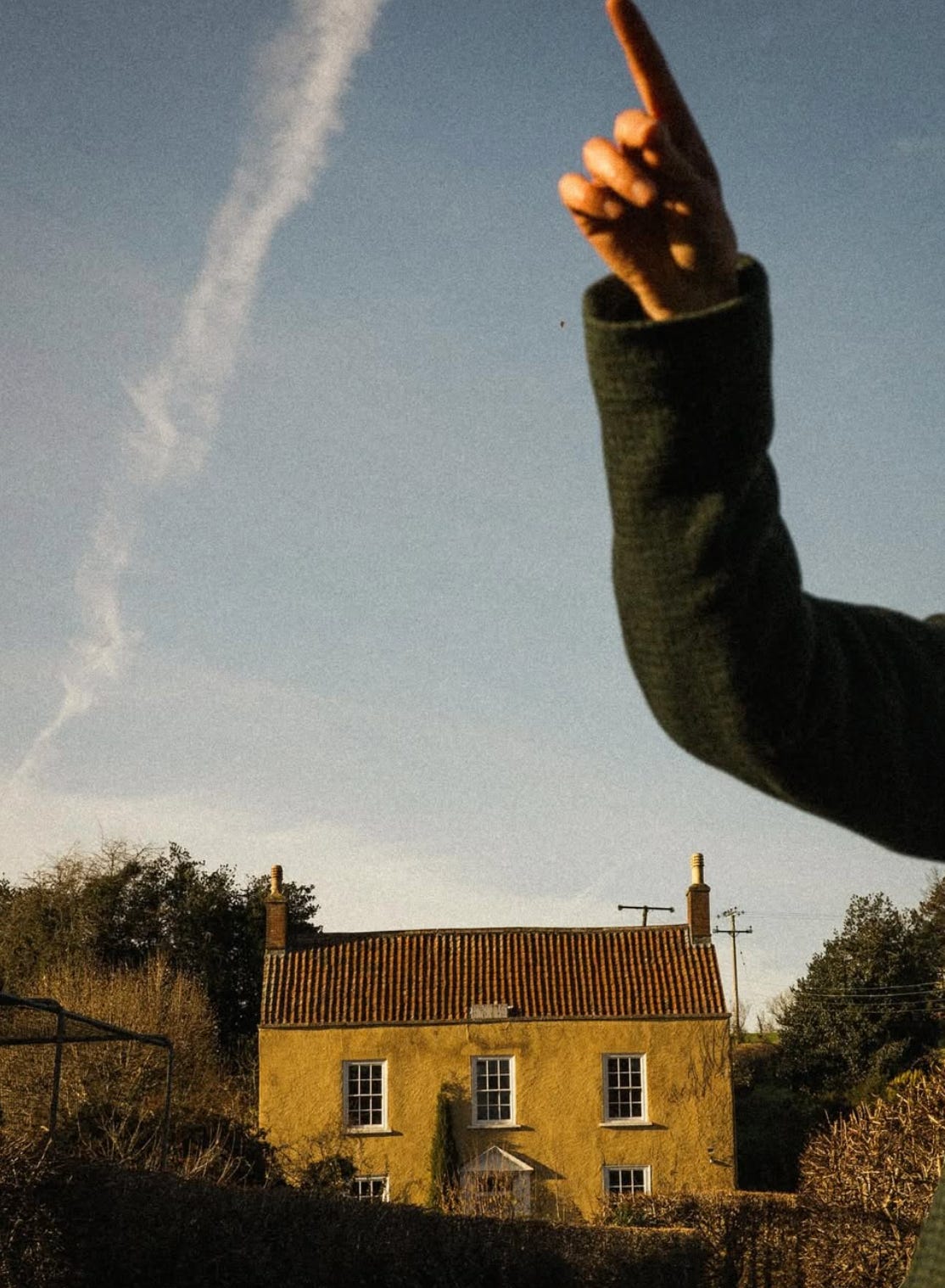
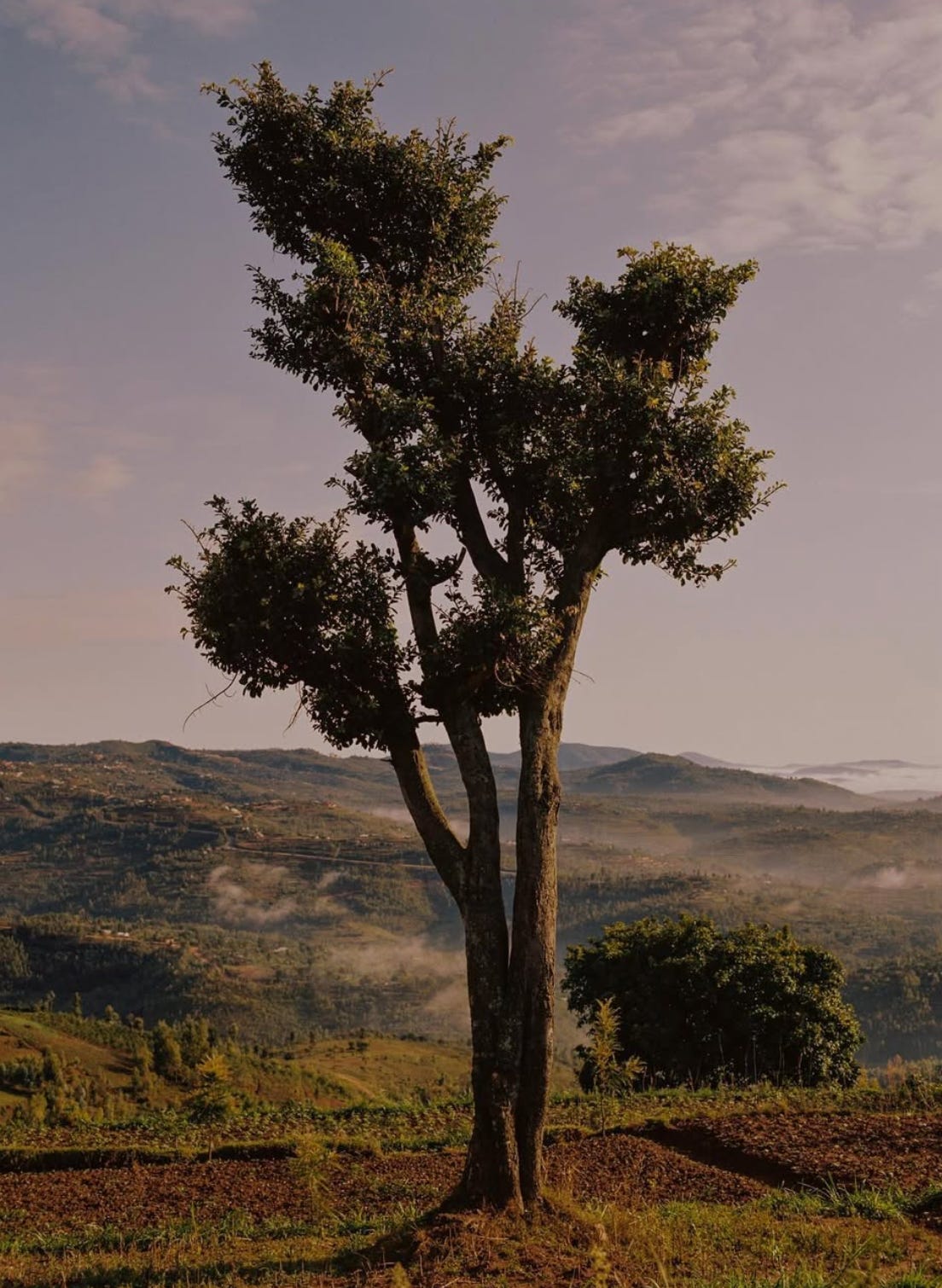
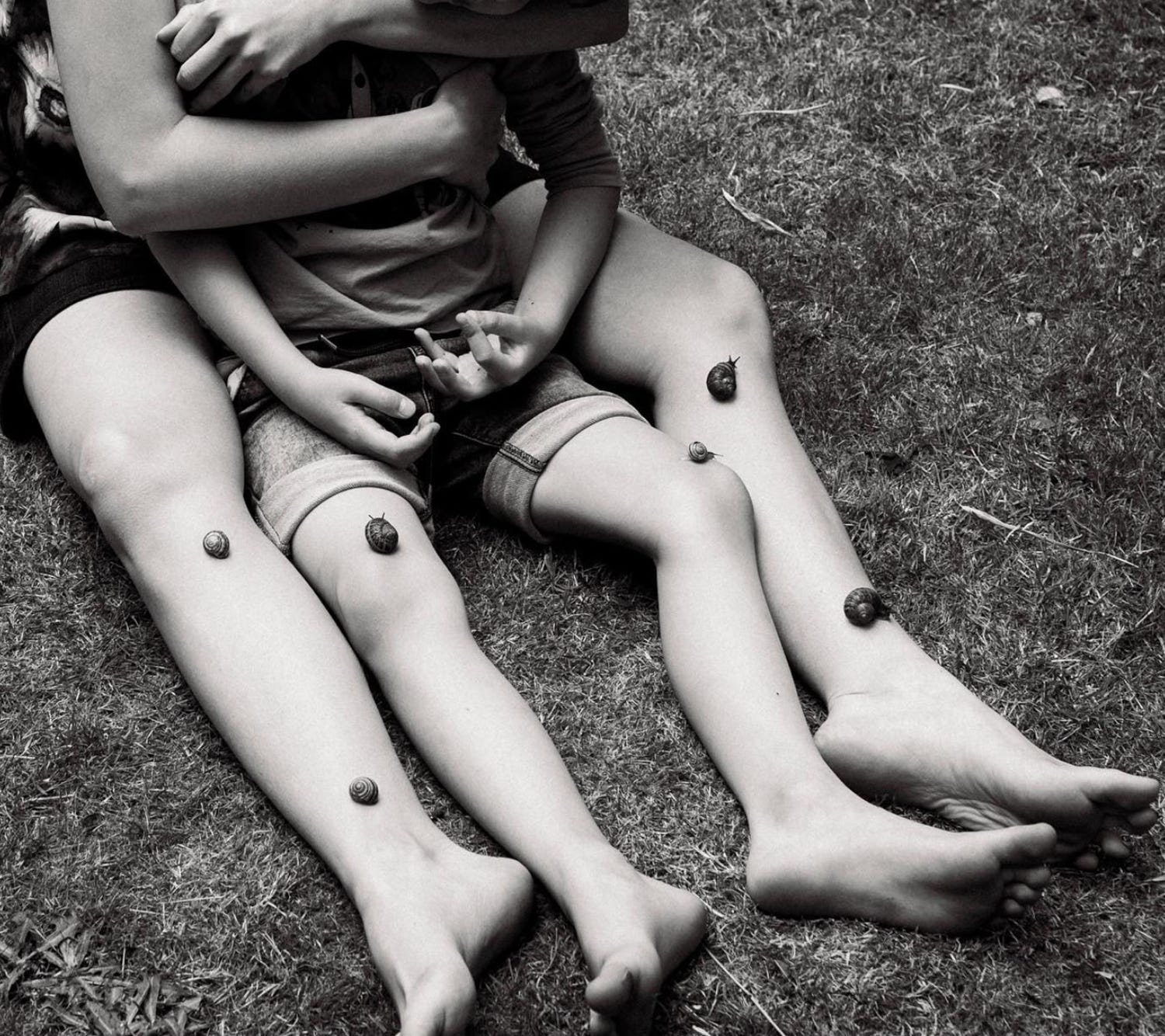
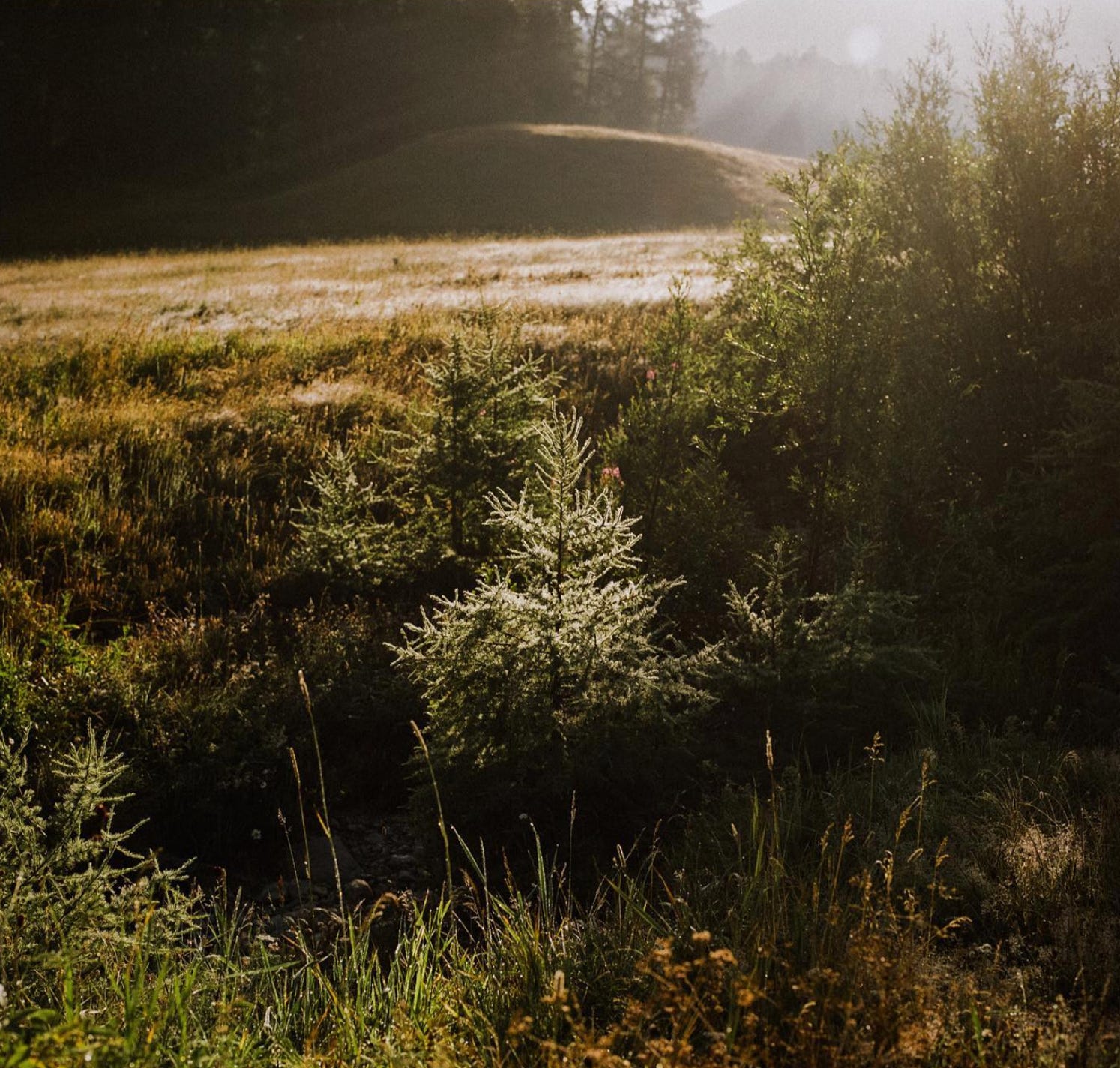
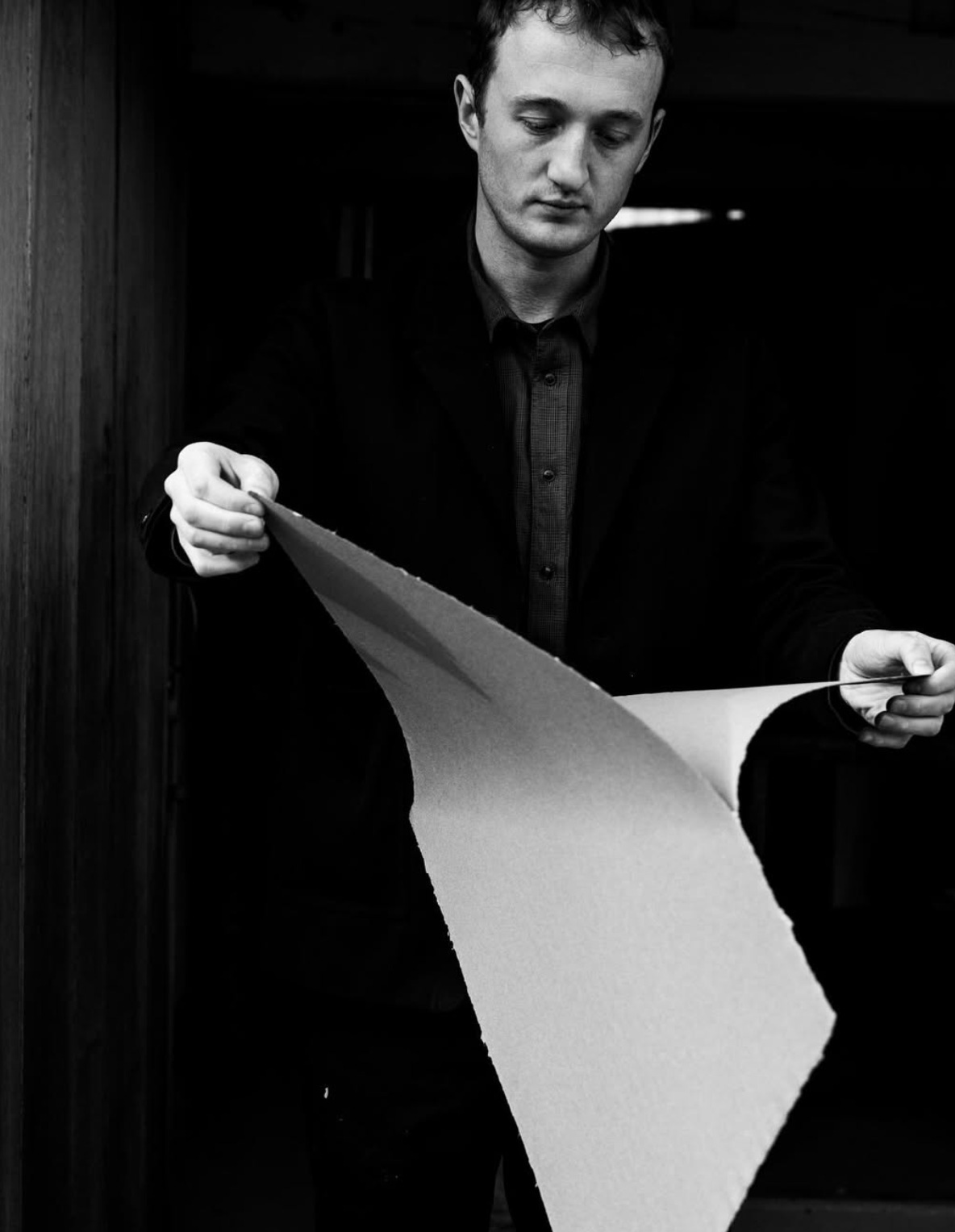
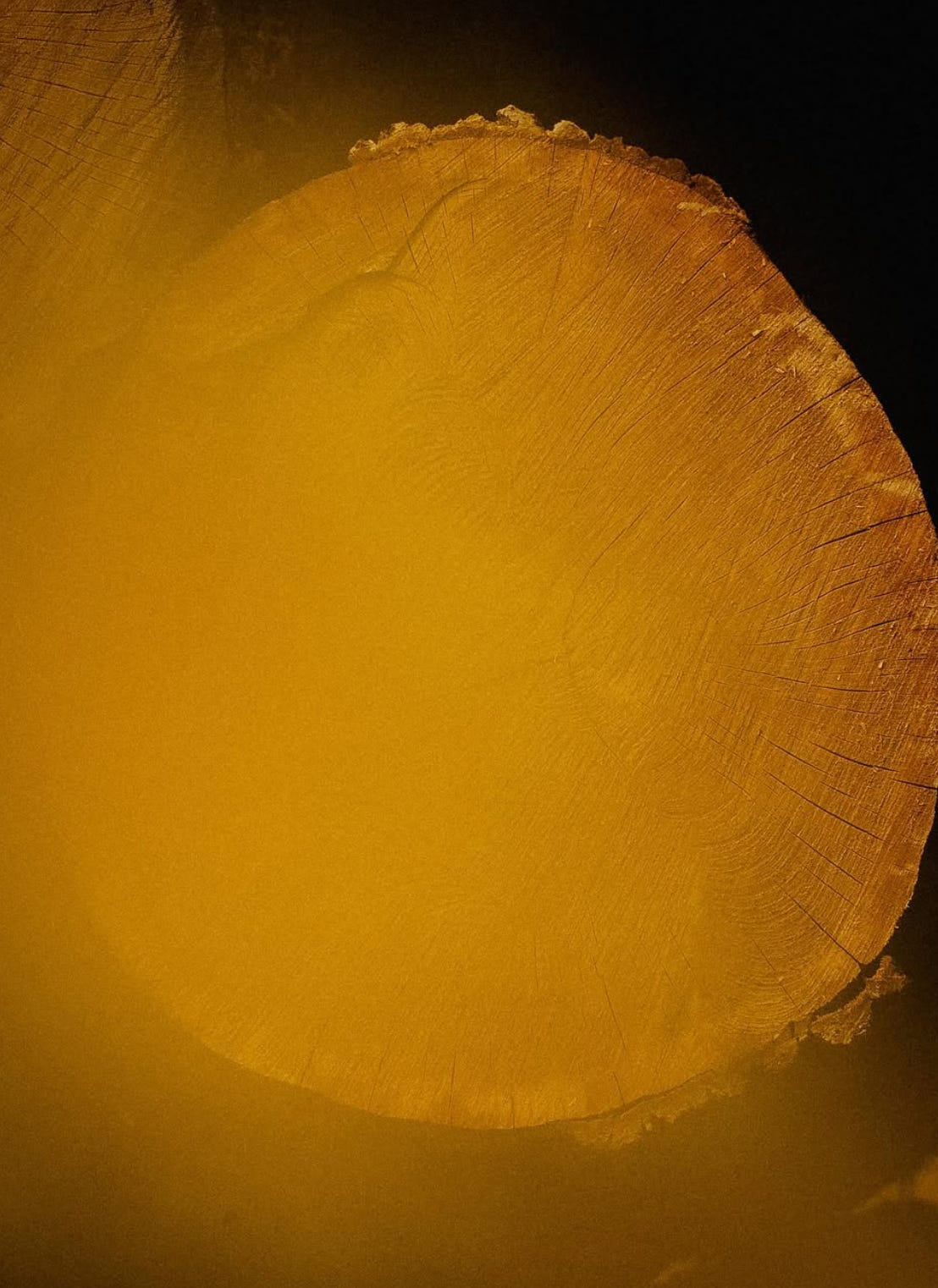
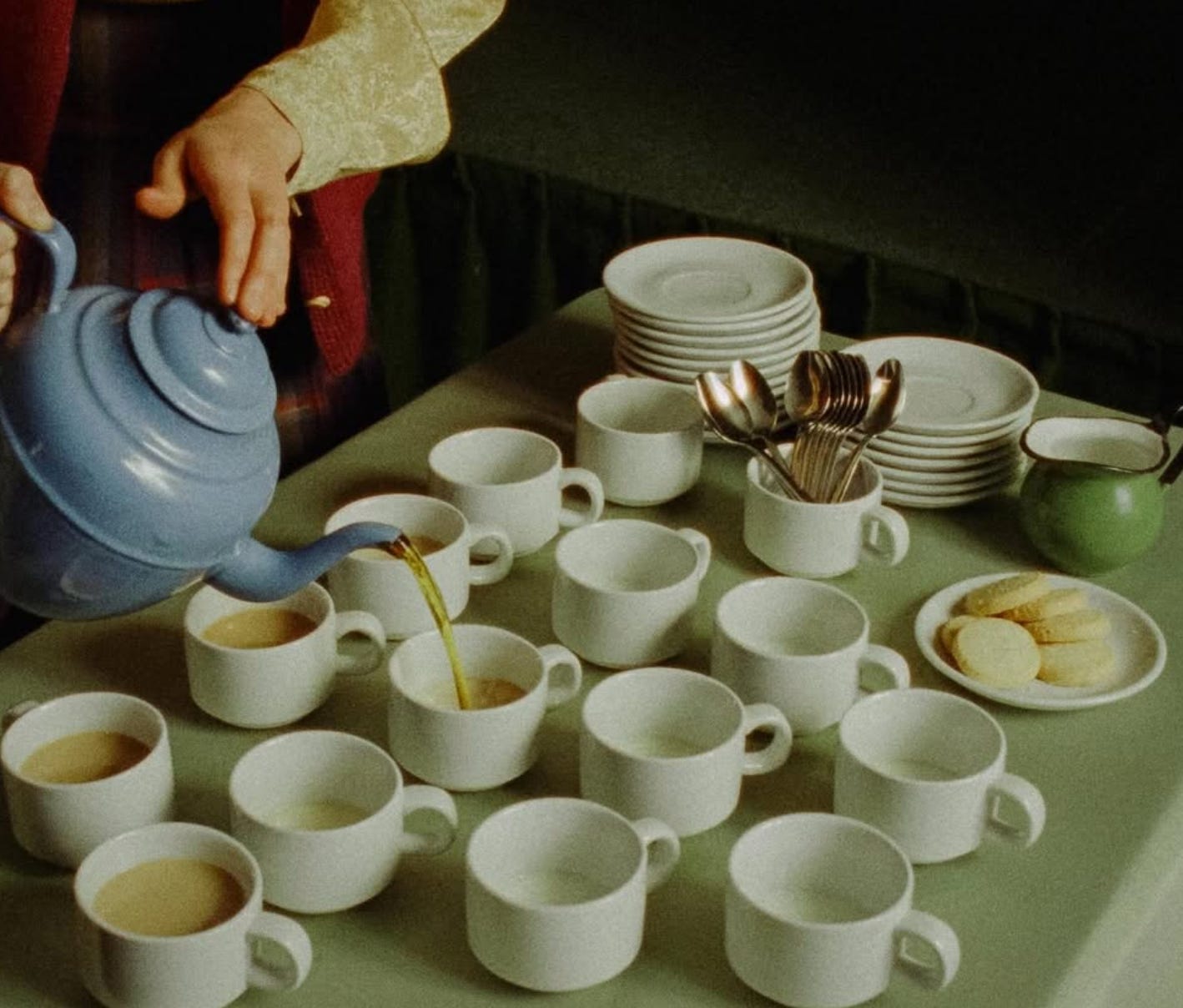
Not the first time by any means but photographs, or film stills, from Elena Heatherwick, one of which led me to finding out about this remarkable handmade paper mill in the Lake District—in a small place called Burneside, which has been ‘a mill village since the middle-ages and papermaking community since 1746’. (Let’s just hope people can still know and feel what it is to write on paper in a few decades’ time.)
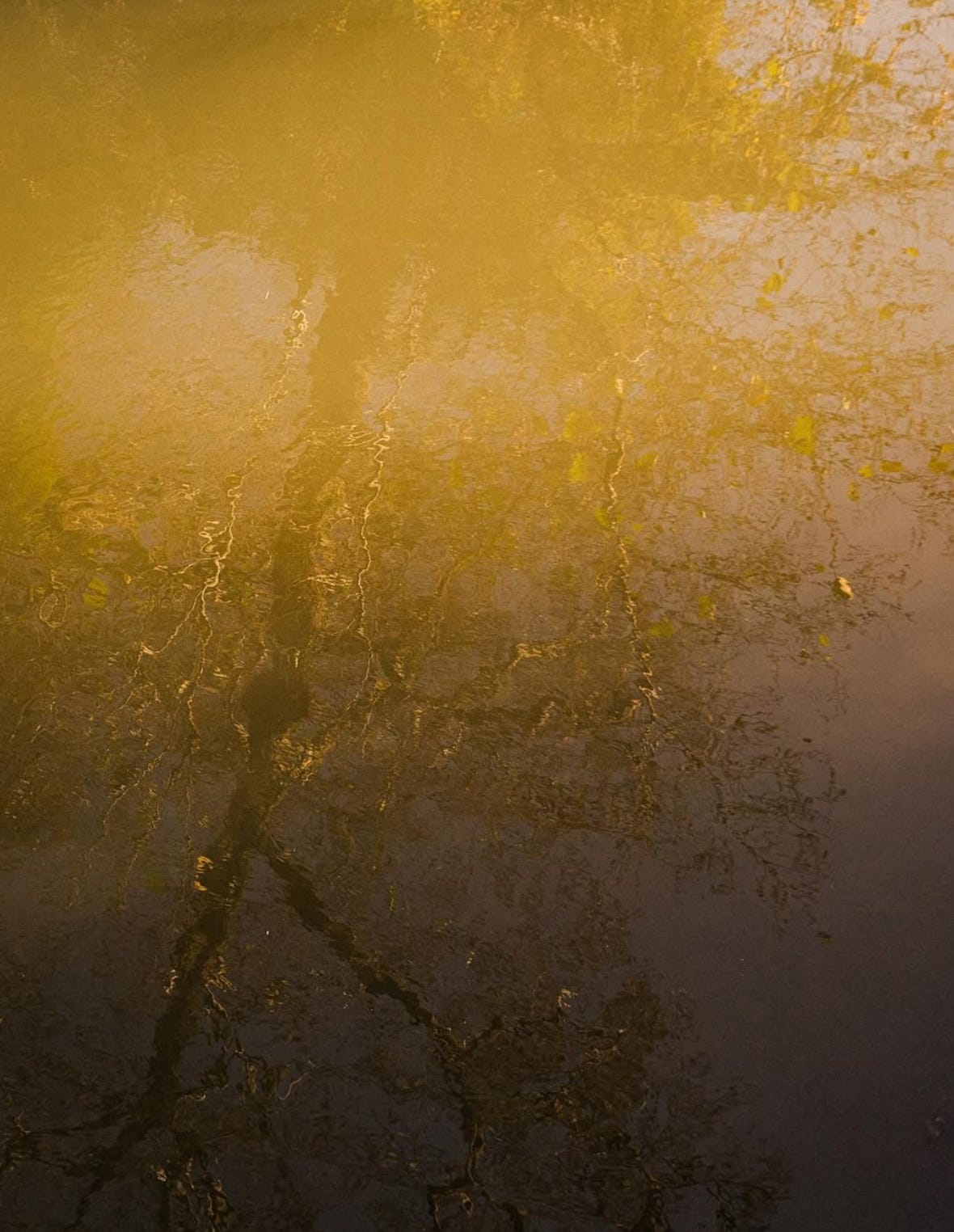
Then, what comes to mind:
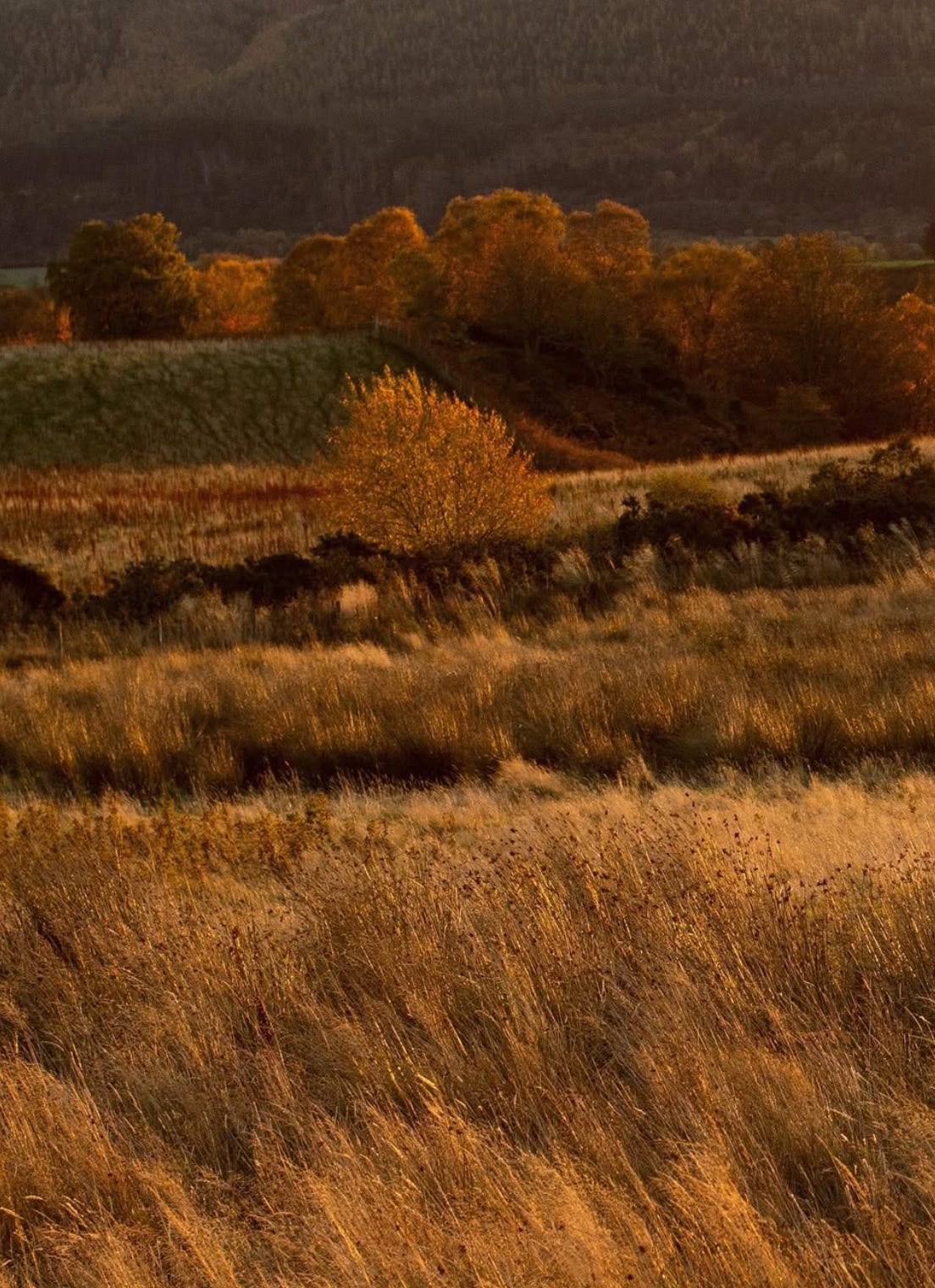
“. . . very mild and bright with a silvery sunshine that seems as if it must come from some gentler planet”
— Catherine Carswell, from The Camomile
“We are so tired and still, here we are, amazing one another.”
— Ann Patchett, from Tom Lake
People say, when they know a place well, that they know it like the backs of their hands, but I scarcely think this happens anymore, and I don’t think many would necessarily even recognize their own hands at all, places or no places. Instead, it might be that we need to relearn landscape, deeply, and that out of that learning, we will be able to better recognize our own hands, our own bodies, returned as they are to their true and natural backgrounds.
— from “Land,” Words to Love a Planet
AGAIN AND FOR HOWEVER LONG NECESSARY: Reading list for a Free Palestine. / The Environmental Devastation of Genocide / Ten free ebooks for getting free from Haymarket Books. / Support verified Sudanese support campaigns. / Email templates and support options for a Free Palestine.

Yesssss love Elena’s work. Thank you!