

No.279

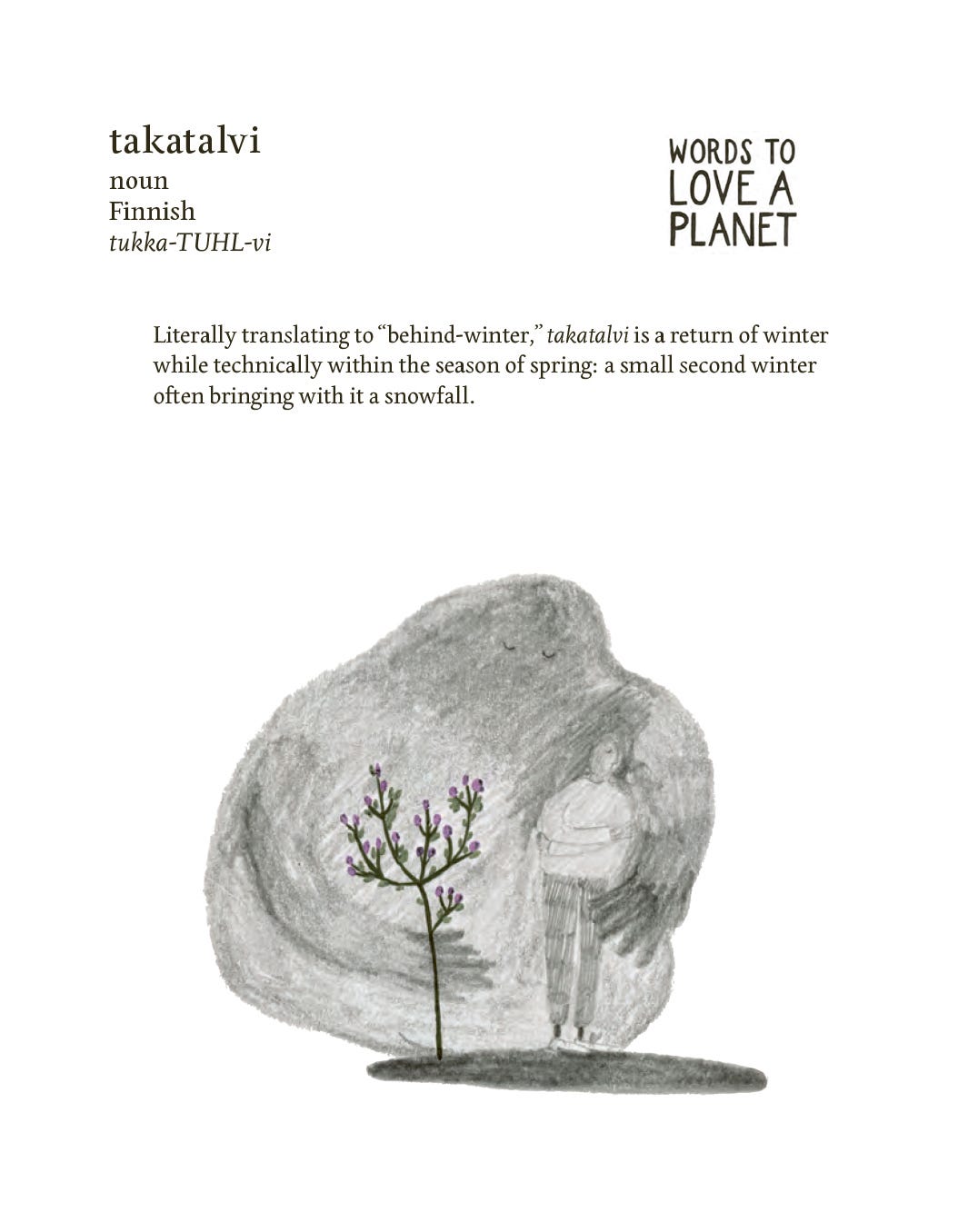
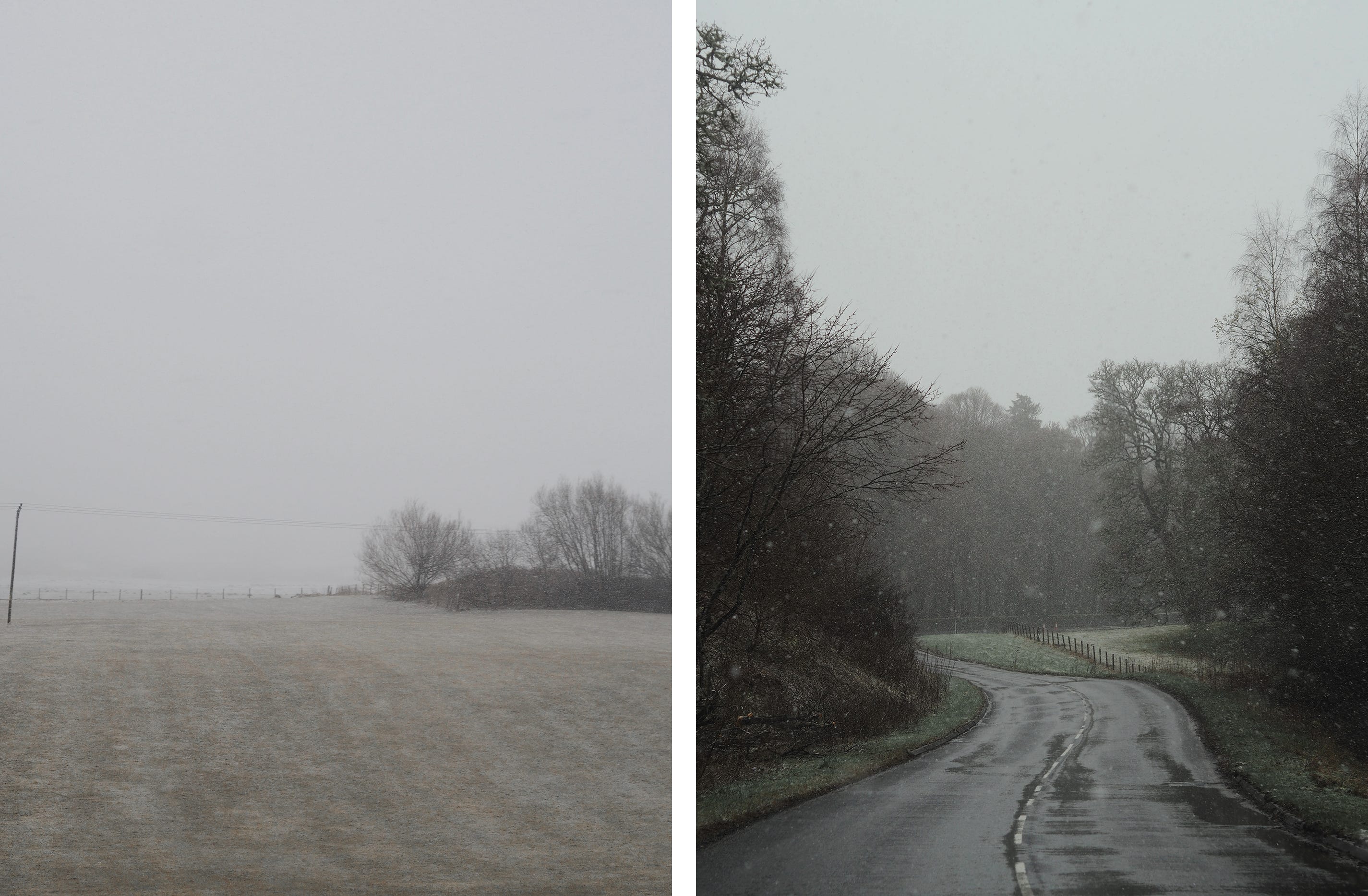
We’re currently experiencing a takatalvi, a ‘behind-winter’ if literally translated from the Finnish, with the temperature once again hugging distastefully close to freezing and snow falling in places which seem surprising given the fact of April. A storm from the Atlantic sent to—or so it feels—confuse the tulips and snicker at everyone’s Easter weekend plans.
As per always during busier seasons here in this part of Scotland the small local supermarket is scraped clean of its fresh produce by visitors, and if you want to procure yourself coriander or parsley then you’d better be there long before noon. One time I got the last carrot.

WORDS TO LOVE A PLANET:
This is the last newsletter I’m sending out as a five-published-books person, because by next Saturday the newsletter will be coming to you from a six-published-books person. Nearly there, just three days away, and the other five are looking forward to having a new papery friend to sit with on the shelf.
These six books span a dozen year’s of ideas and paint and panic, and in some ways it feels as though I’ve circled back—inefficiently but necessarily—to what felt most pressing at the very beginning of it all: the questions asked by language, and the language contained within landscapes. I talk about this circling in the book’s introduction. But while Lost in Translation does have some landscapes in its pages, some talk of trees and water, Words to Love a Planet is much more deeply and more determindly about our natural world—our one and only. It is more deeply and determinedly about all of it, so there needed to be a great many more words and meanings inside and approximately 200 paintings, the weight of which contrasts with a singular tree on the front cover. A singular person standing beneath its branches, representing admittedly a mess of things, but mainly hope, and the power contained within every single individual to both protect and grow.



Publishing is something of a wild west these days, and anyone still hanging on to the good bits tends to be realistic about that, but I am incredibly thankful that there were people to believe in this book, and to gently help shape it into the thing it has become. There was a lot of meticulous back and forth with a great many native and heritage speakers, with translators, with editors of various guises, and so it is by no means the result of my hands only. I sure painted a lot of paintings but it was always going to be something strongly infused with the love of others—that is one definition of translation perhaps, the movement of a kind of love between one land and another.
I’m looking forward to it existing in hands now, having held it myself for so long, a thrill of the most vulnerable sort. In the interim I’ll be sidling up to this takatalvi, and hoping that the small recent transplants to the garden are able to hold on tight. Like the black scabious, the wild yarrow, the ox-eye daisies. The rain calls, the woodburner calls louder, and before returning to those I’ll share with you some words from the essay accompanying the second chapter, ‘Land’—
“There have always been spoken languages woven together with terms that
acknowledge the importance of a person’s connection to land, the conservation
of land, that name and note precise features and interactions and minutiae, that
honor the delicate, furious balance nature needs to maintain within itself. As
those words of connection were forgotten, banned, and buried, the feeling of
being in harmony with nature subsided along with them, replaced by bulldozers
and cinder blocks and boreholes, and four thousand years after it is believed
humans first used coal as a fuel, this Earth’s convulsions of pain couldn’t be
plainer to see. Most of us didn’t know the old words that spoke of connection
and care and reverence were even there, but that doesn’t mean our bodies
don’t remember.”


THIS WEEK I FELL IN LOVE WITH:
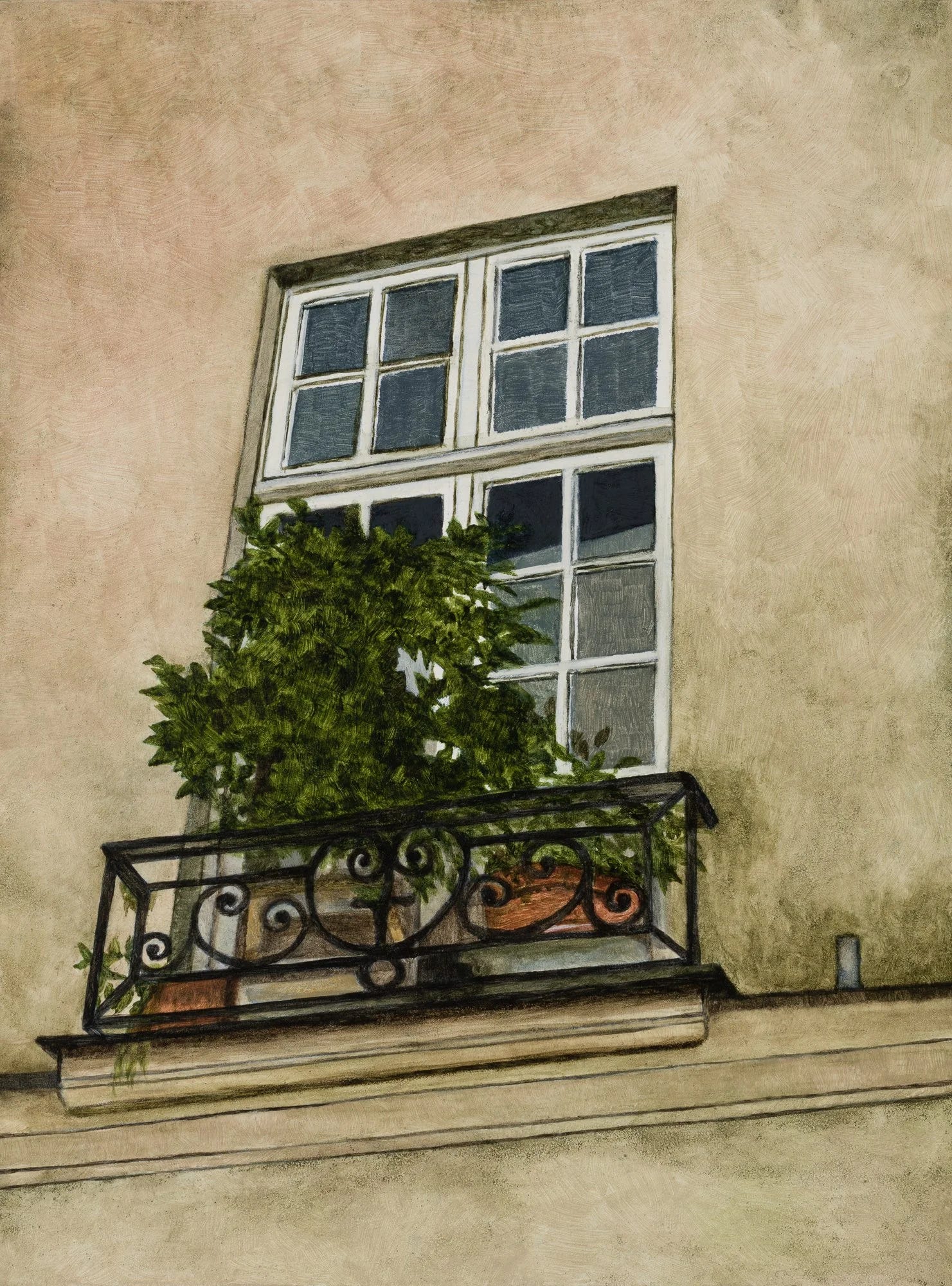
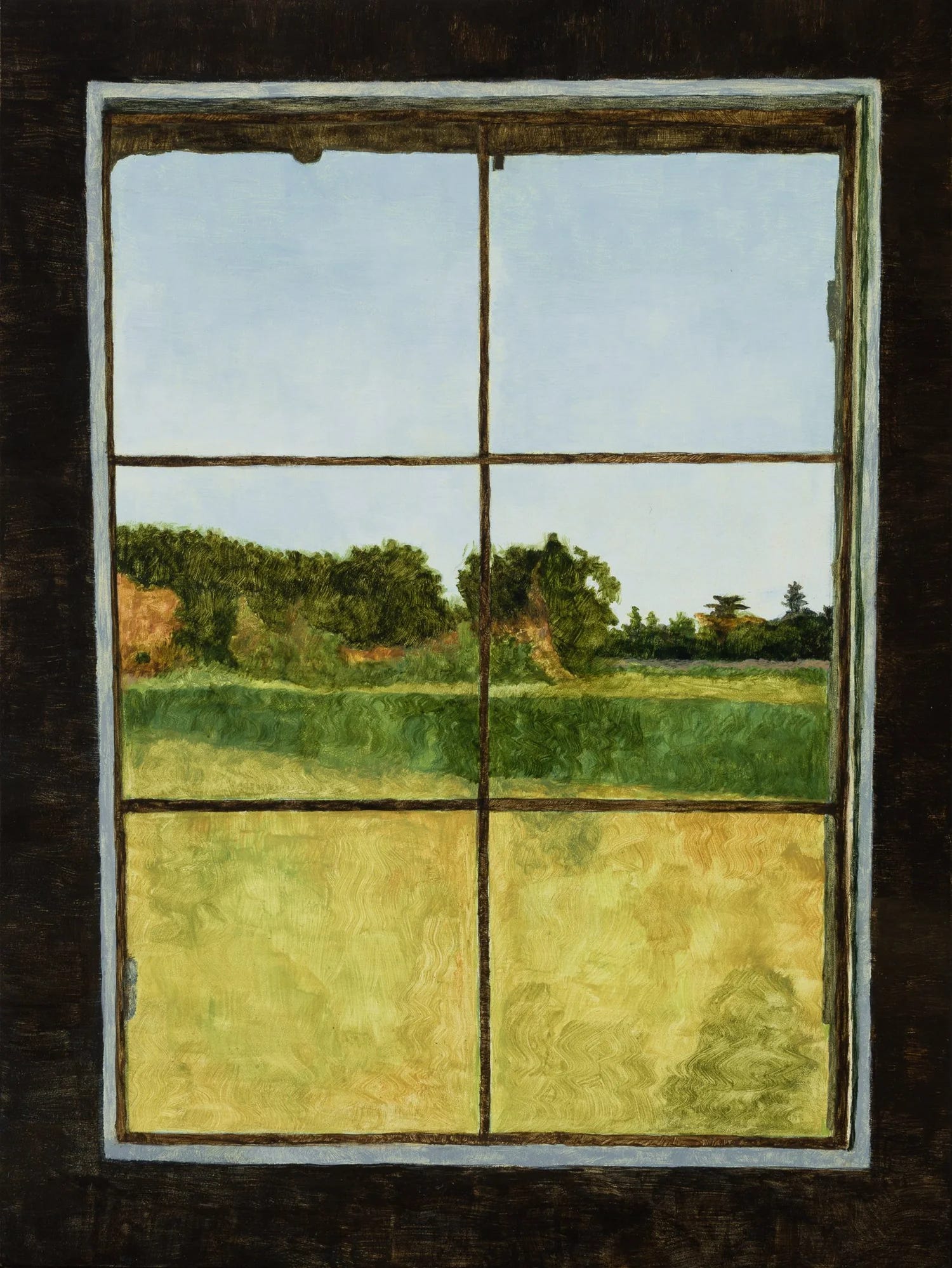
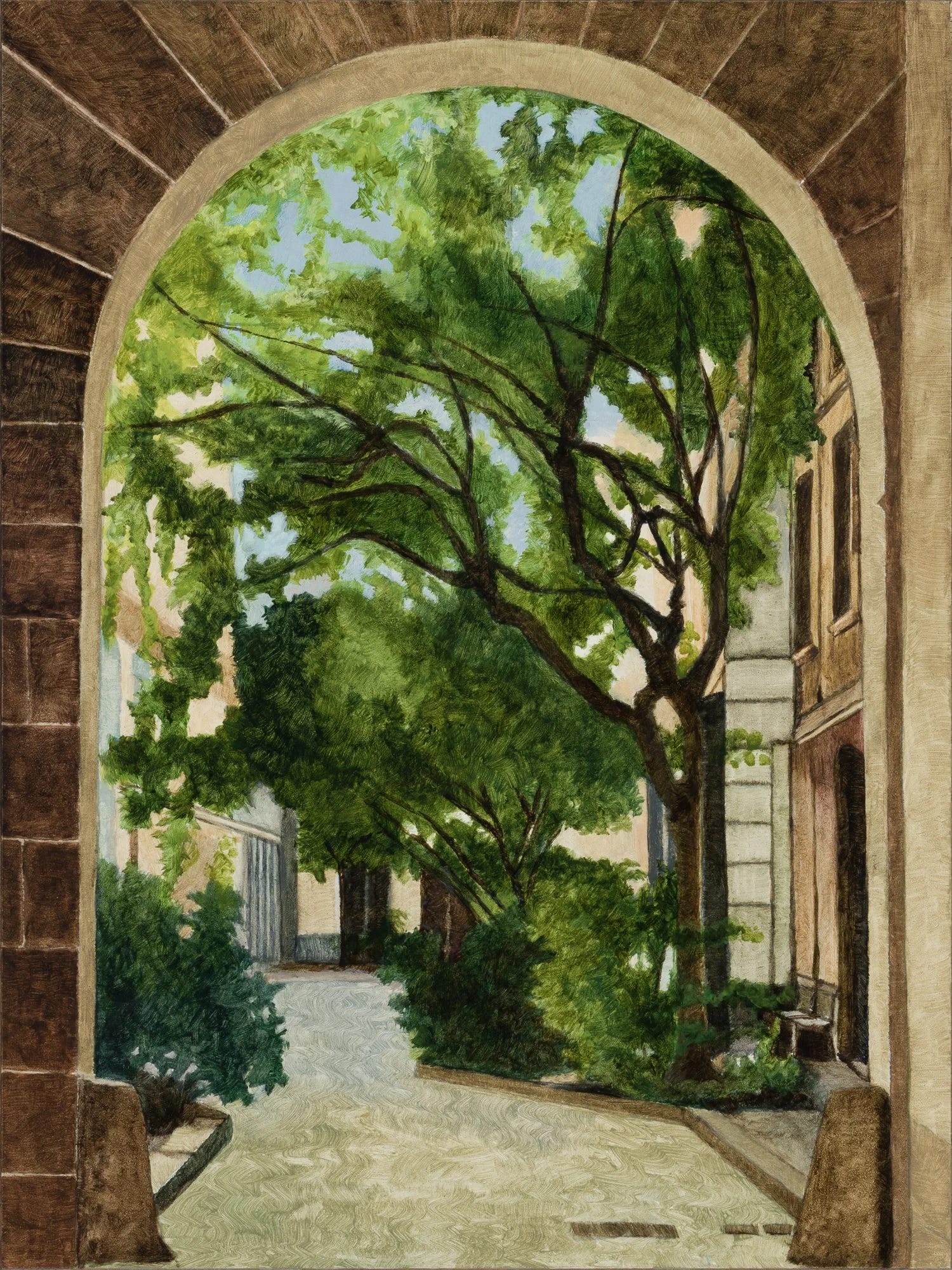
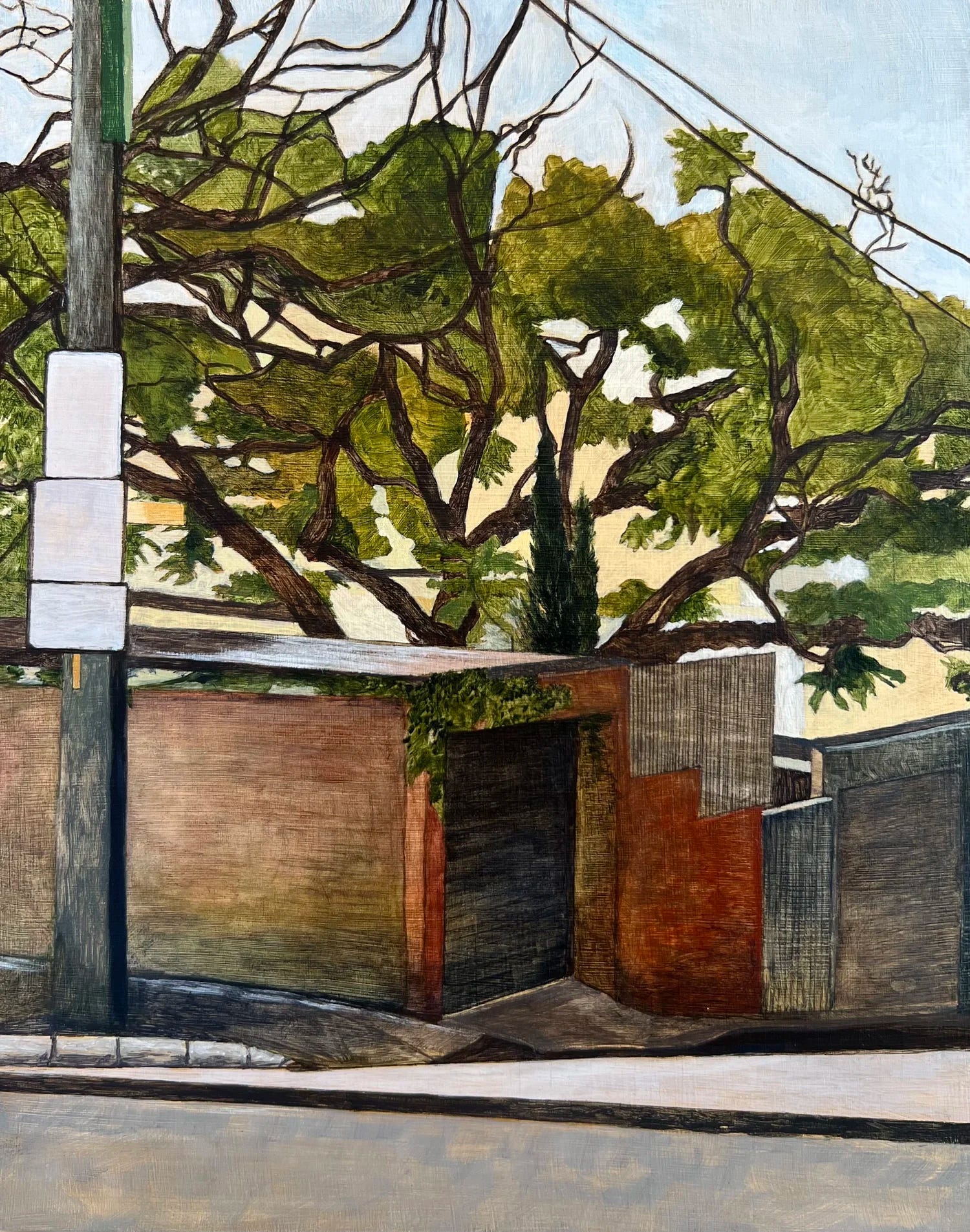
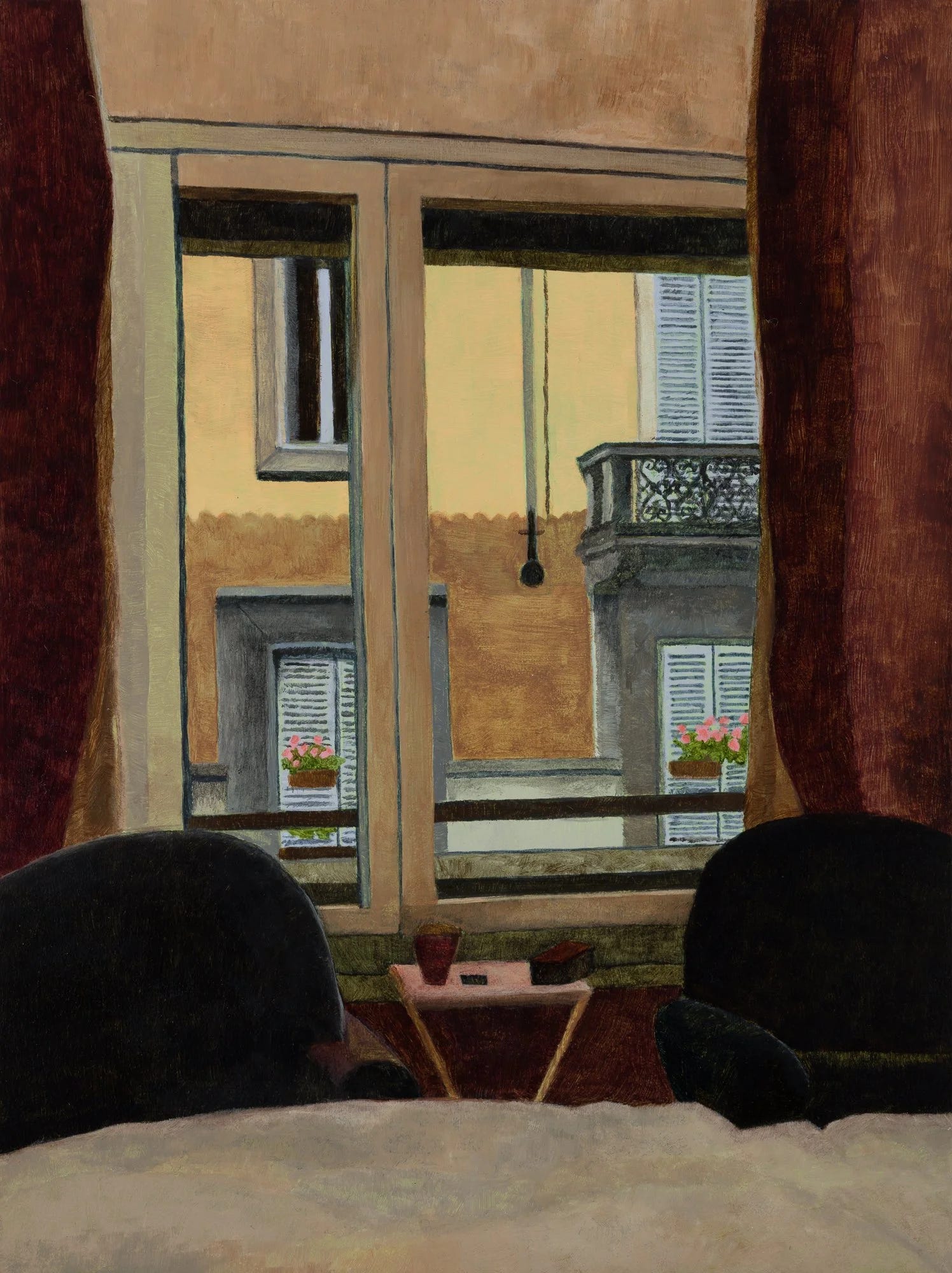
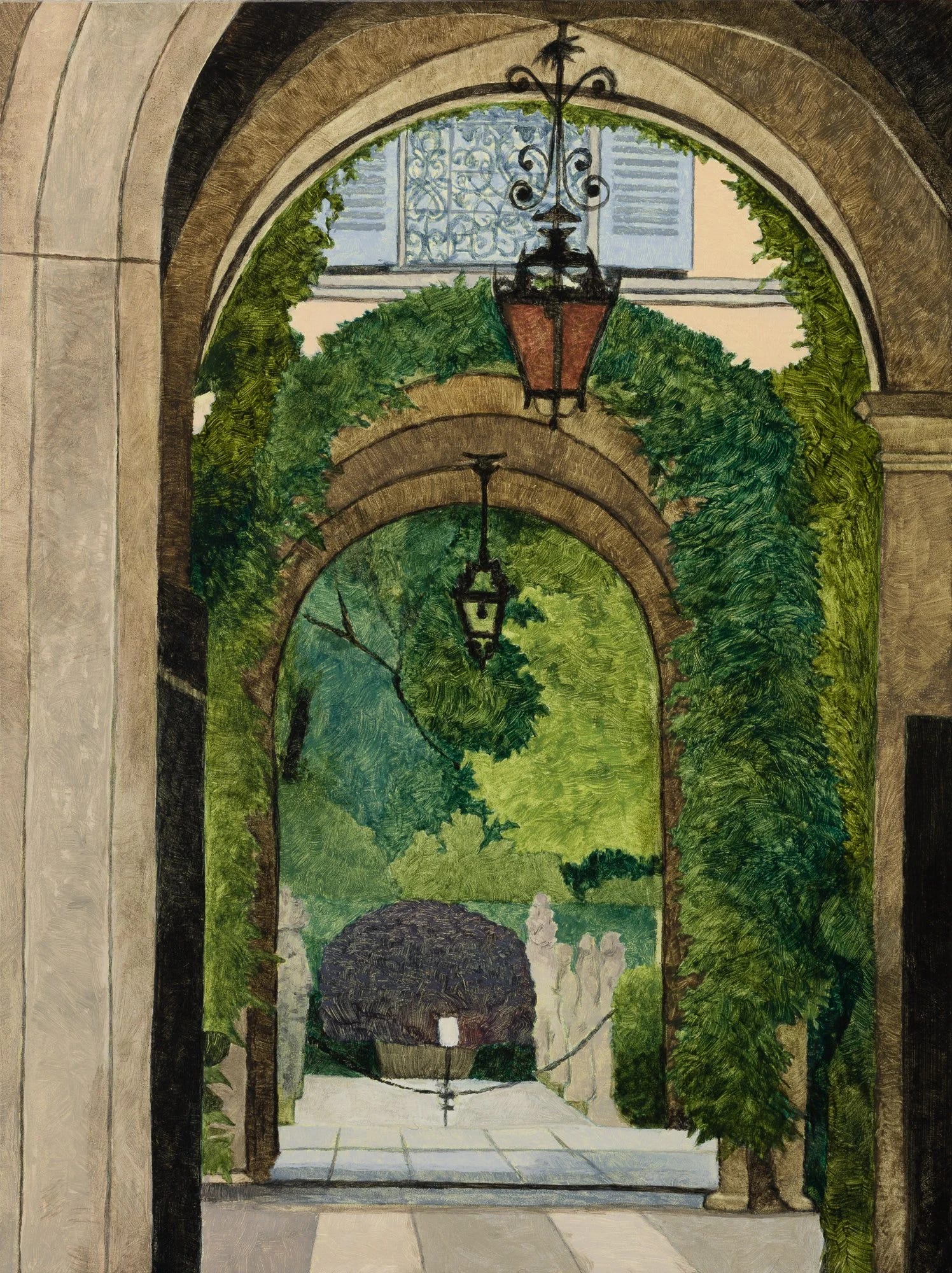
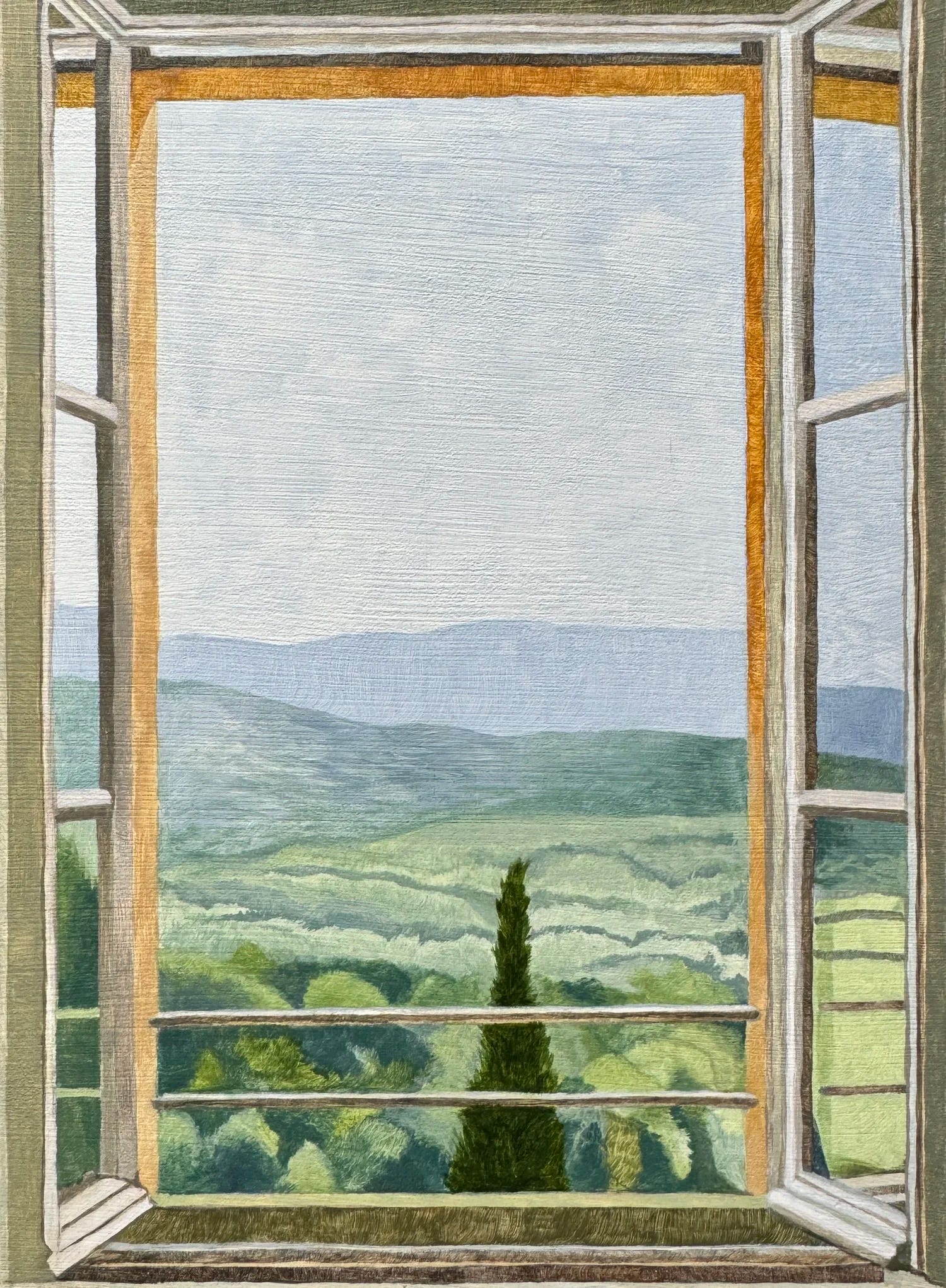
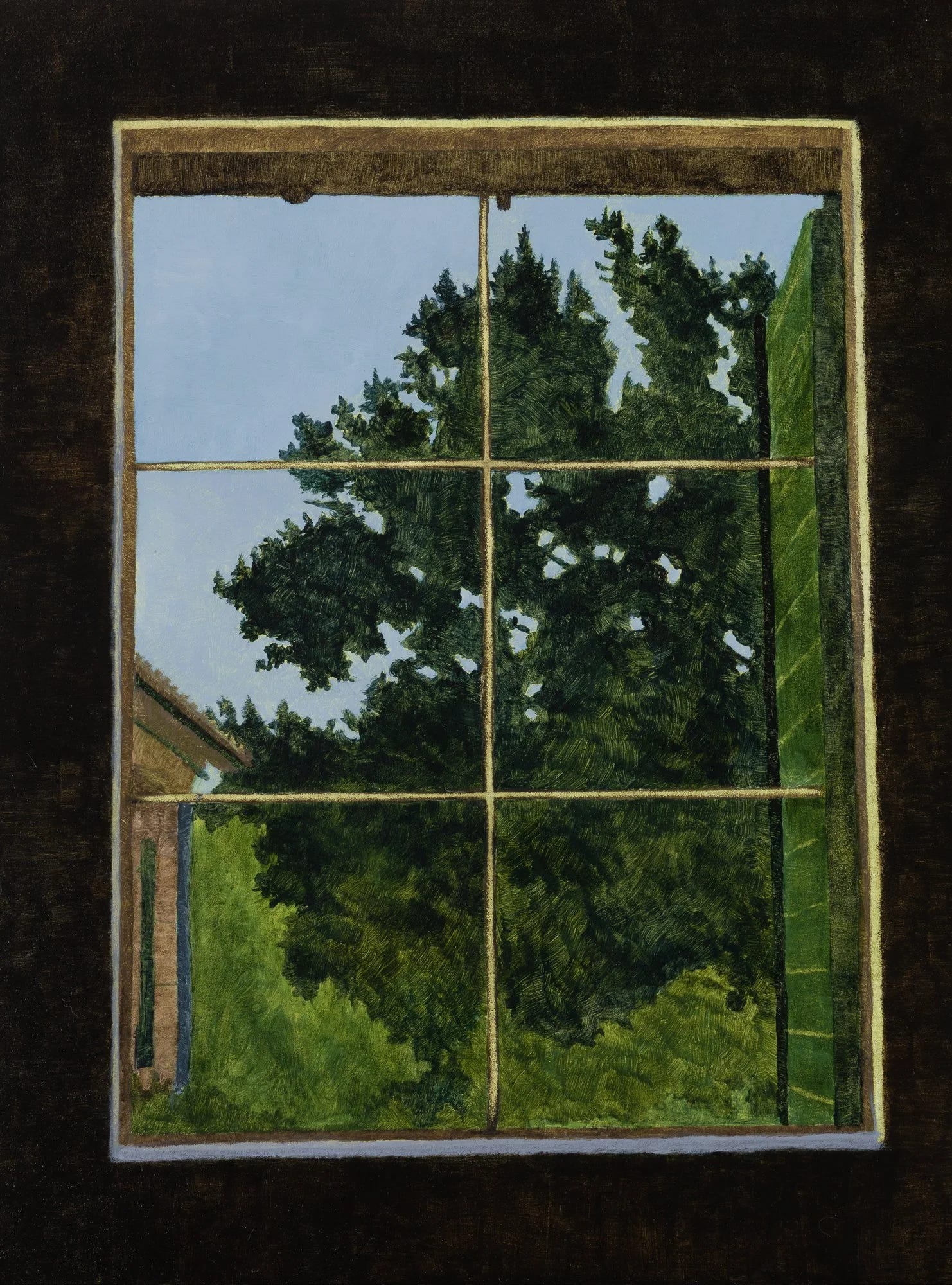
Paintings (windows) by Chantel de Latour, which I suppose means that last week’s windows were simply not enough windows.
just the last juice of
March draining
off the board
all my dreams are
wearing bright ugly
waistcoats & it is
spring almost definitely
— Dominic Leonard, from “No Dark Pastoral”
Congratulations Ella! I hope your little book does very well and brings hope and curiosity to many out there. It's great, learning un-translatable works. Takatalvi sounds great, though I'd rather it finally be proper, glorious, sunny, warm spring. We'll get there... Happy Easter and all the best 📚