

No.267

There are ways to feel, and ways to un-feel, and it occurs* to me that the internet might be, more or less, one giant experiment in un-feeling. What happens to a person’s capacity for feeling when what is being presented is an endless array of stuff and things and news and opinions and places and objects which that person might feel something about, or towards, or as some secondary outcome. Does the capacity for feeling get diluted, stretched too thin and far and wide? As the number of different things we hold in our heads grows ever-greater are we feeling less about more, instead of feeling more about less? I figure that we have a finite capacity for feeling of the more actionable sort, and so it would follow that as we feel less about more, we are doing less and less about it. He doesn’t like spiders but I can’t bring myself to hoover them up and so release them from windows.
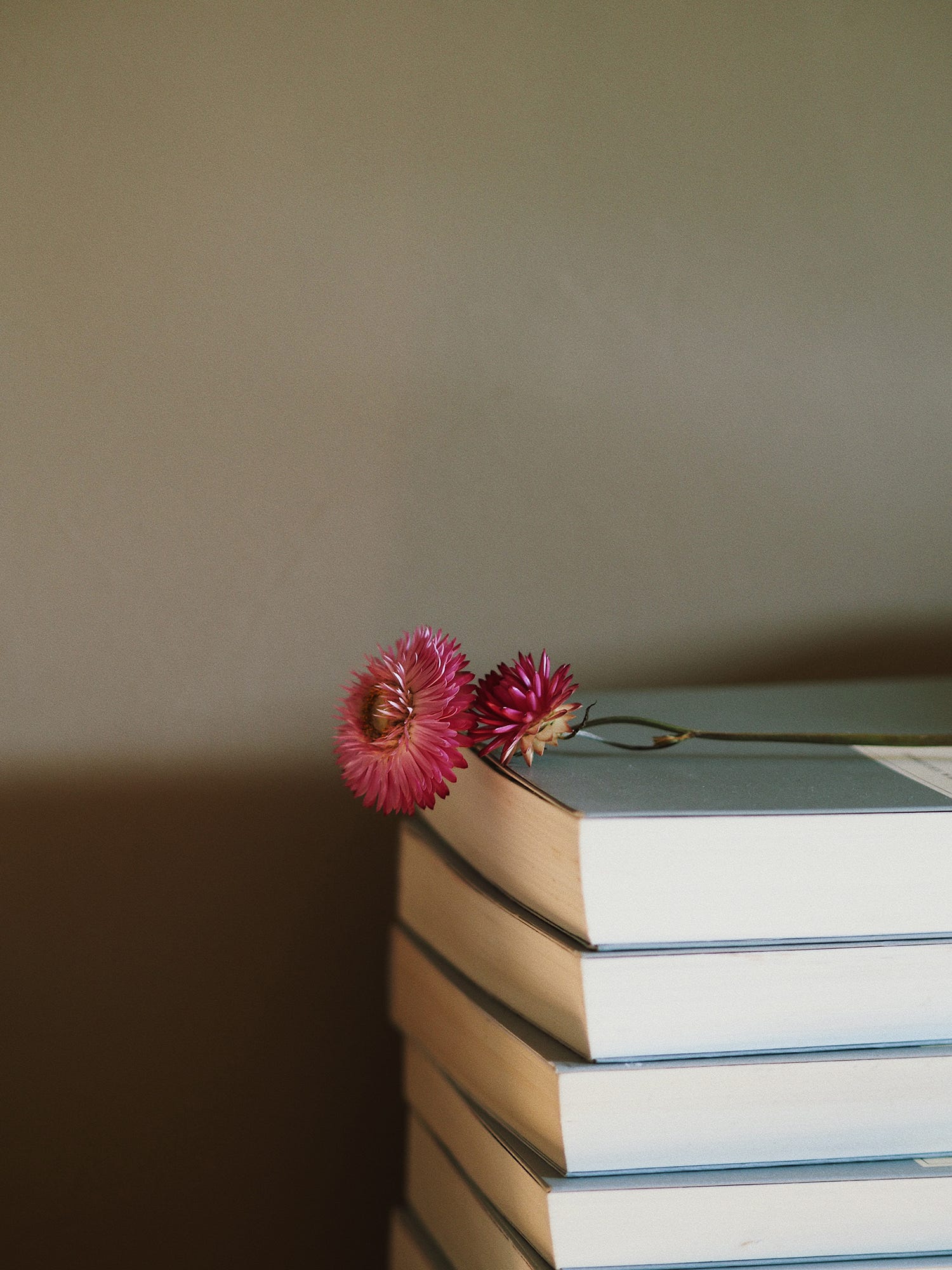
I worry that I’m feeling less sometimes, but then I apologise to birds and pick up small pieces of litter from the riverbank within the space of a day and figure I’m probably fine. It is no doubt the harder thing to keep feeling though, it hurts often and right now much of the time, and the powers that be would prefer everyone keep their feeling to themselves (read: they would certainly prefer you not throw bricks or feelings through the windows of arms factories) because it is highly inconvenient for any variety of fascism if you have desires for a different way—especially if you’re then going to do something about those desires. I haven’t told him this but sometimes if there is a very small spider in a corner of the ceiling or near a skirting board I just leave it to exist awhile.
There are days when I wonder if my migraines are just an overspill of feeling, some kind of instructive physical response to the suffocating planet, but then I research things like ‘trigeminal ganglia neurons’ and ‘allopregnanolone’ and ‘trigeminal nerve vascular plexus’ and ‘calcitoningene related peptide’ and feel more doubtful of that diagnosis. While motionless under the influence of a migraine I sometimes like to ask myself nice questions to pass the time such as Would I trade in feelings if it meant no more migraines or If I could apply debilitating migraines to a single world leader which one would be the most consequential but ultimately I’m always left with myself, and feelings, and a brain which feels bruised. There is a spot near a mill in the town where a man grows hundreds of dahlias for seemingly no reason other than liking them; last night we walked past and embraced the stretching, globe-like blooms over the wall, you slightly less gently than me and so a handful of petals came detached and you said something to the effect of oh, oh no.
*I originally wrote ‘it strikes me’ but in the past two years I have noticed a need to try and remove from my spoken and written language the words which exist as violences in other contexts.

WORK-RELATED:
Most of a month ago now the manuscript for my sixth book was returned to its editor having been combed through—the post-copyedit version therefore very close to being done*—by a resonably tired, reasonably hurrying self, a stage which felt in equal parts like unnerving and like relief. To try and make something reasonably solid and unchanging (a physical book) out of ever-forming ideas and paint is probably a bit like some other things—right now I’m unable to think of any—and probably also a bit like nothing else, and so at some point maybe I’ll go into more detail about what it’s been like to make six books in twelve years.
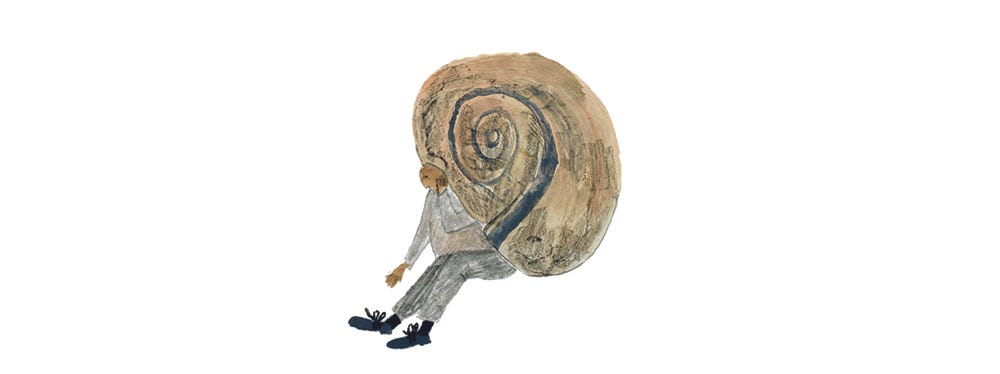
In truth the past over-decade has been many different things, encompassing many different selves and several countries—my literary agency until recently liked to make quips about my ever-changing mailing address, which I do in fact need to update again—and I suppose it’s easy to dismiss one’s experiences or learnings because in summation they have the potential to feel quite normal, quite of course, especially if a person is prone to living in the moments of now rather in the future or in the what-could-be. I am one such prone person, and so I tend to not speak profusely (or much at all) about my work, about its intricacies or its meaning to me, but it might be that the time has come to be a little more forthcoming—in the meantime while mulling over this I have consumed an entire pot of tea from a tiny, thin stone cup measuring about 5cm in diameter and 3cm in height and can therefore say, given its diminutive size, that I’ve drunk at least thirteen cups and this feels like an achievement.
*At this point the book will now be in layout, perhaps already laid out.


THIS WEEK I FELL IN LOVE WITH:
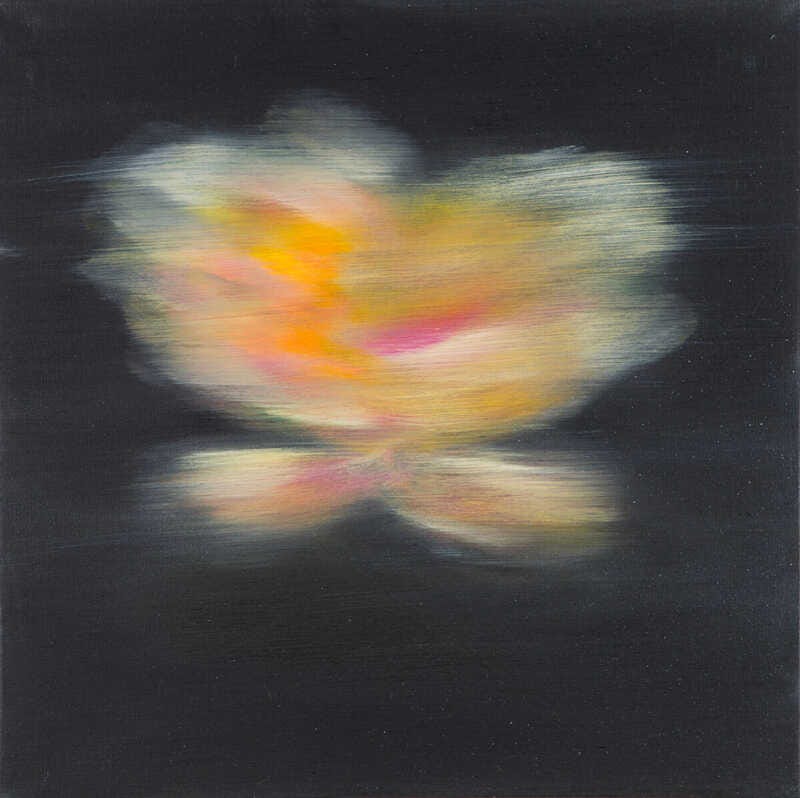
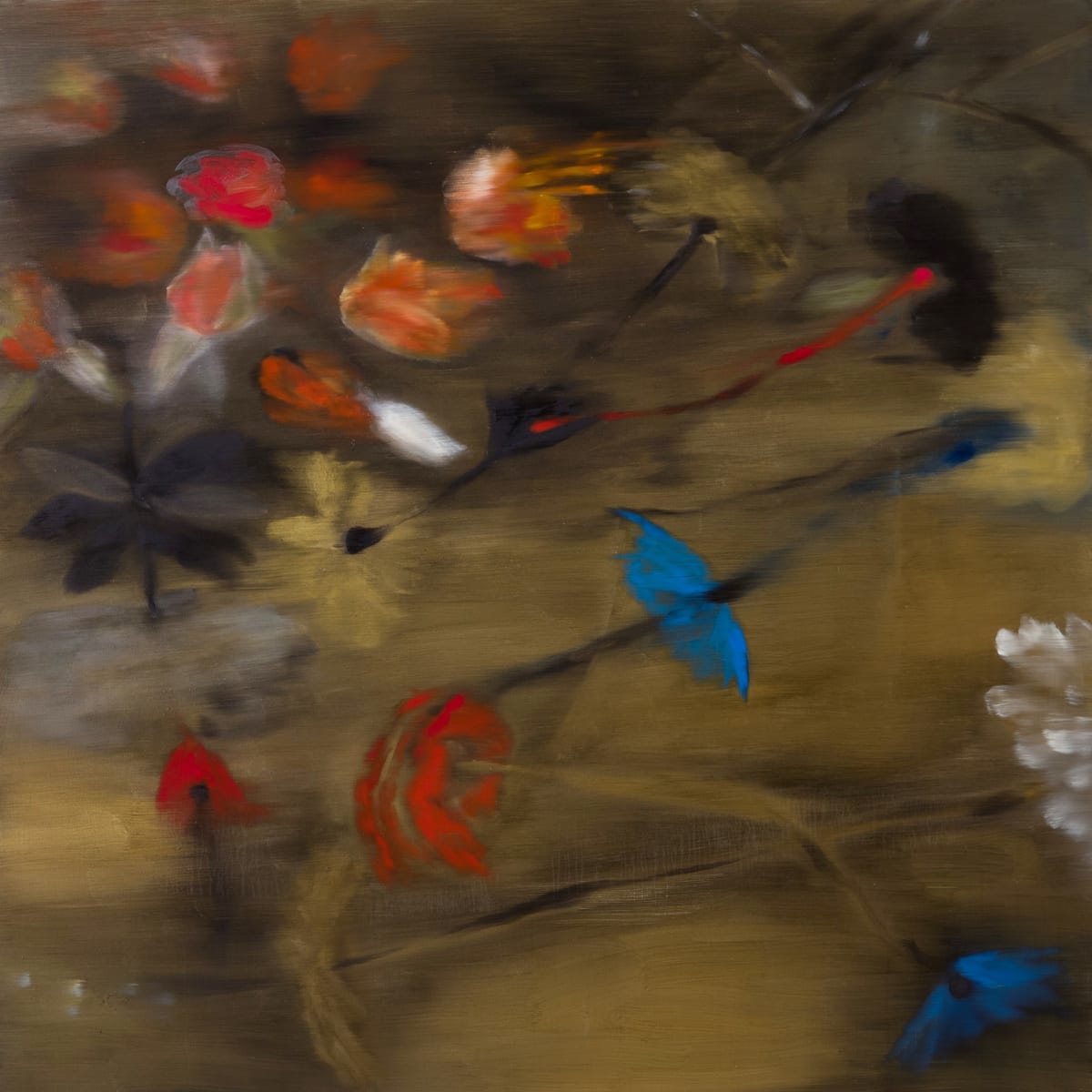
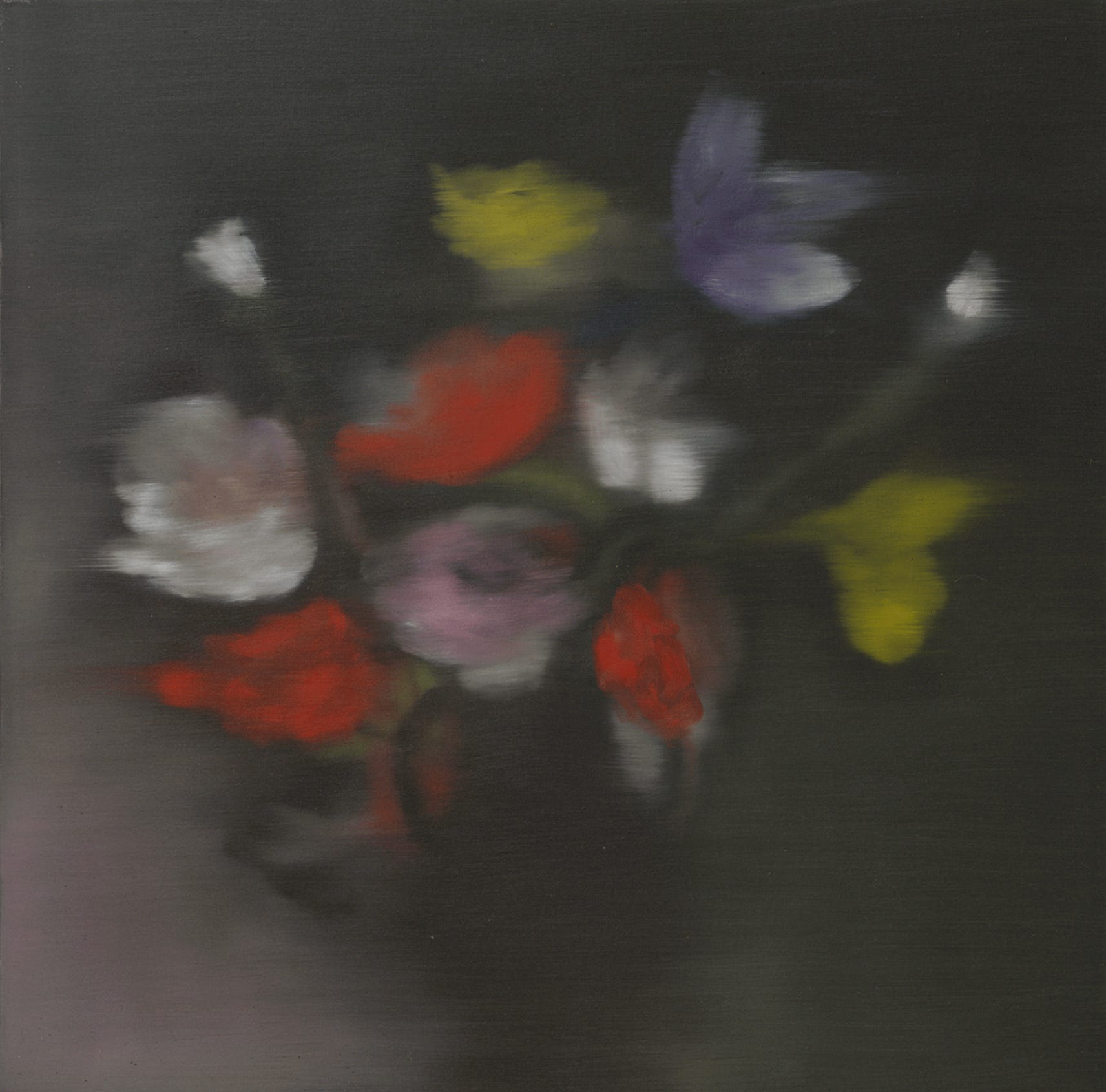
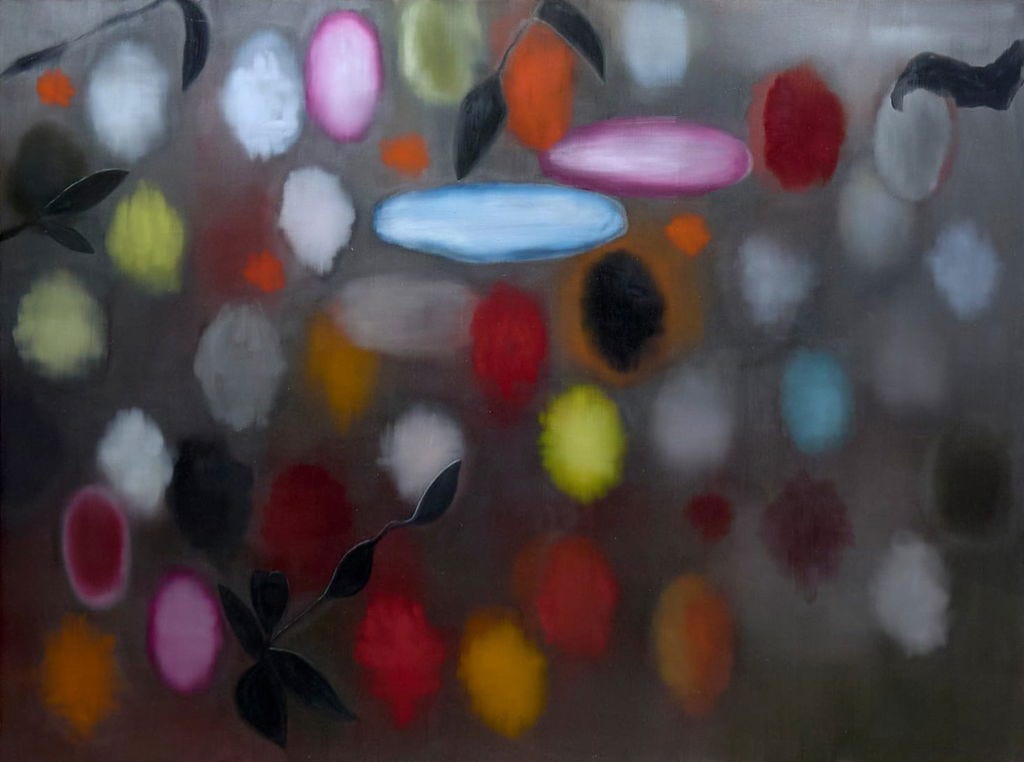
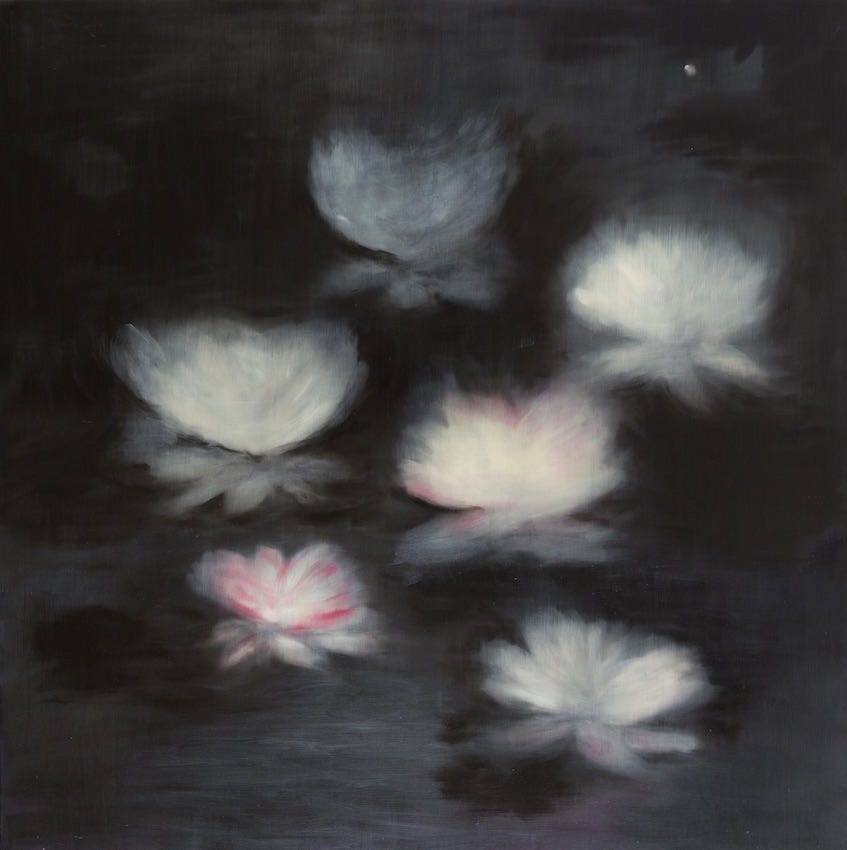
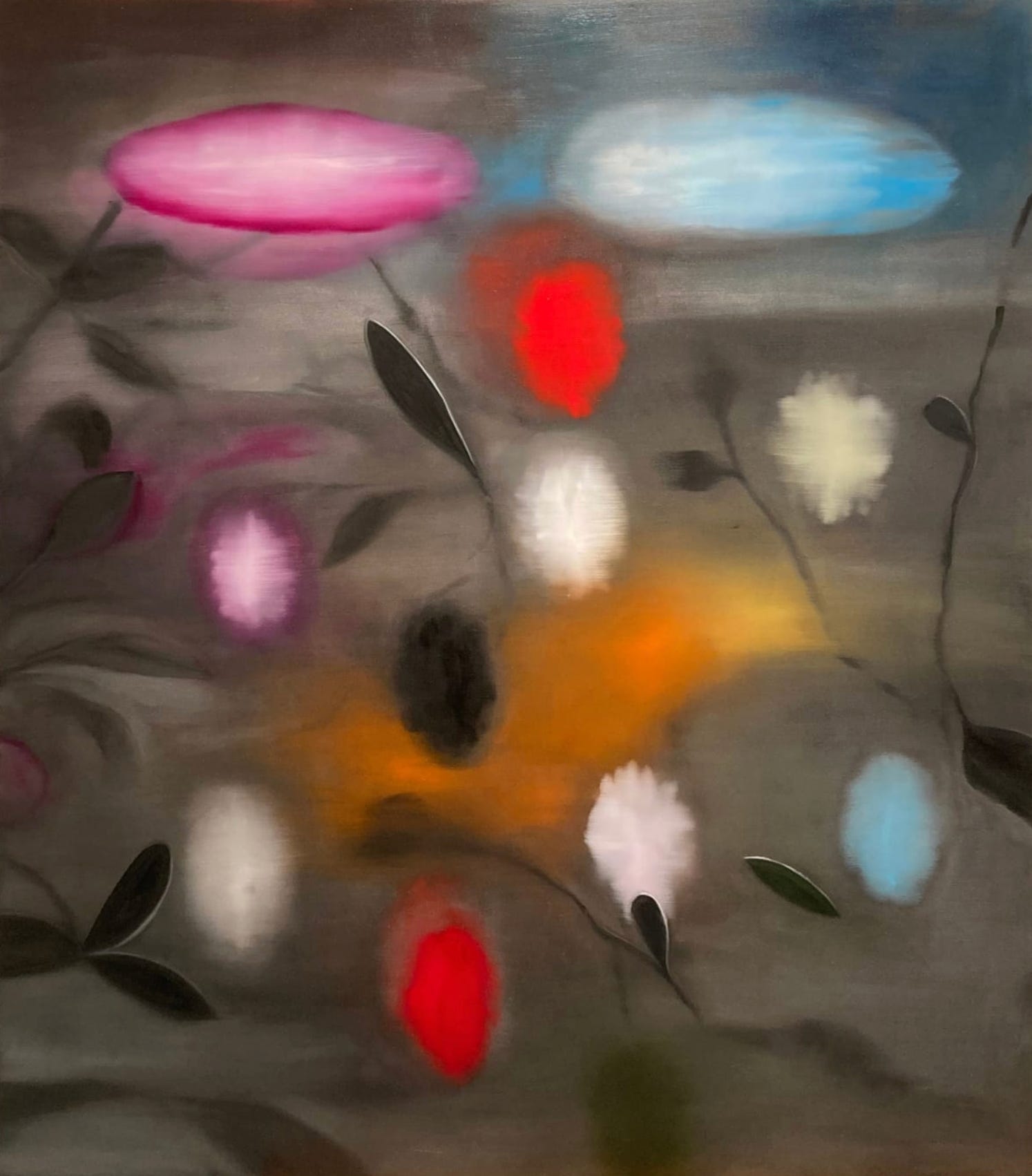
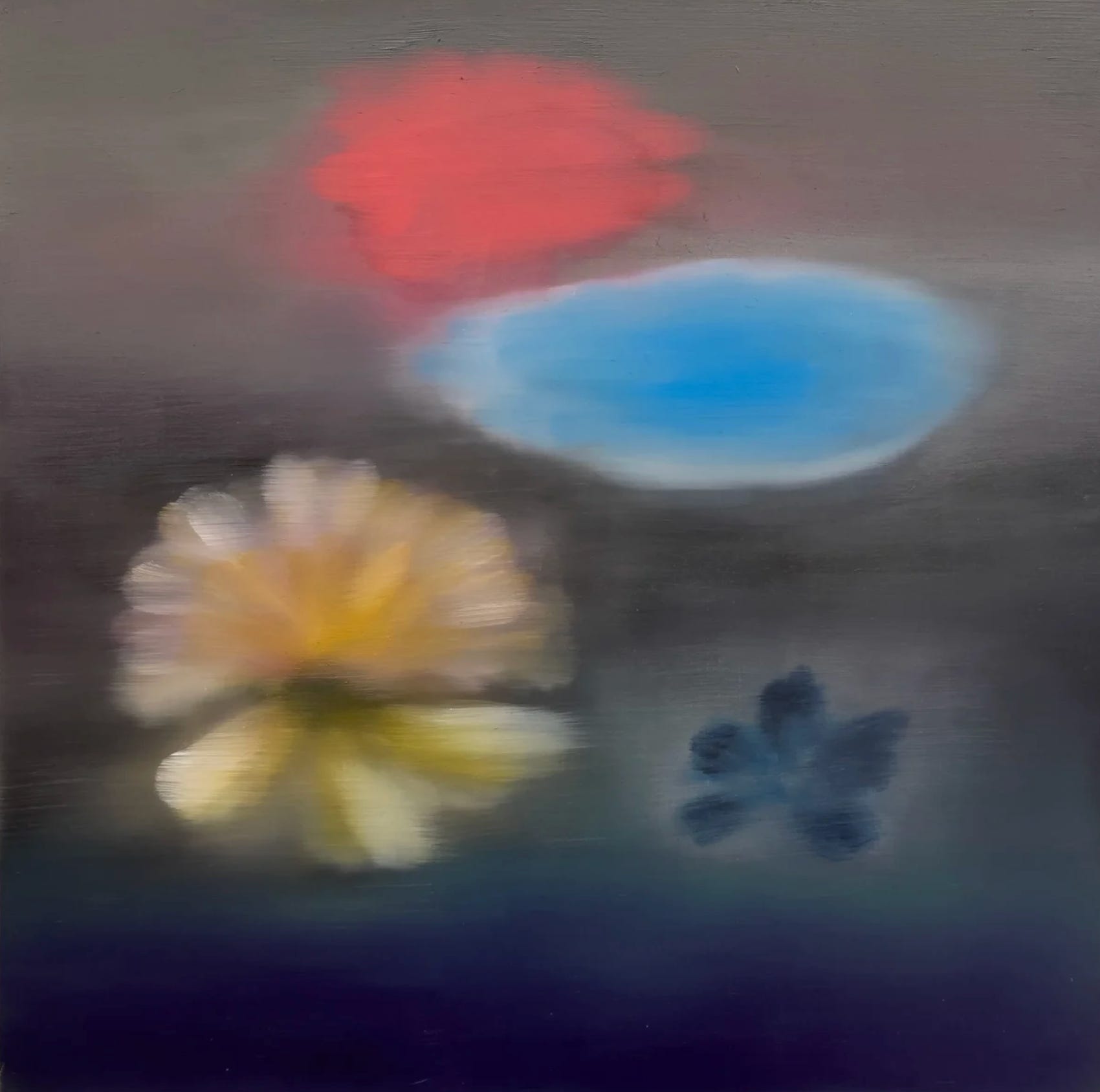
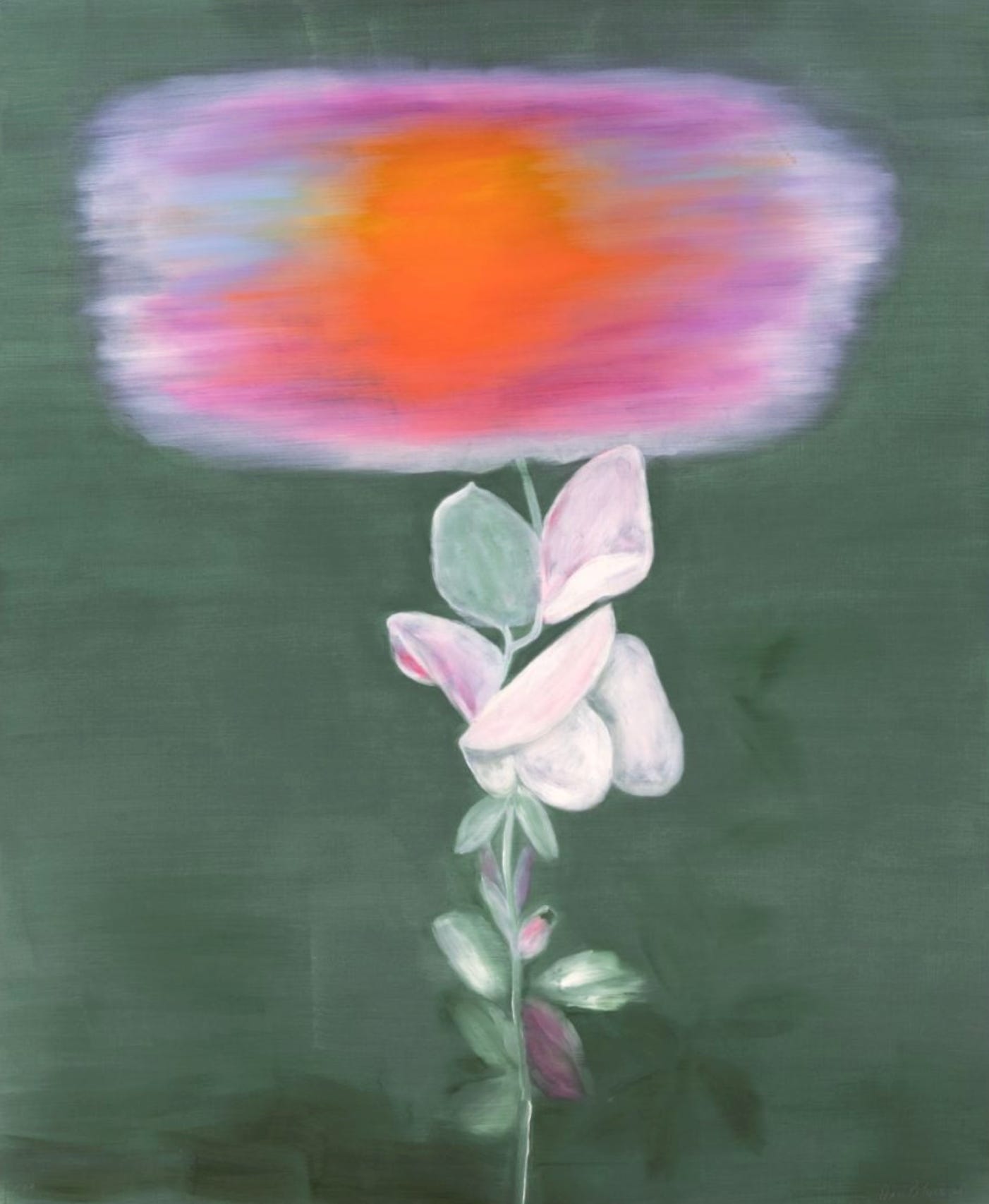
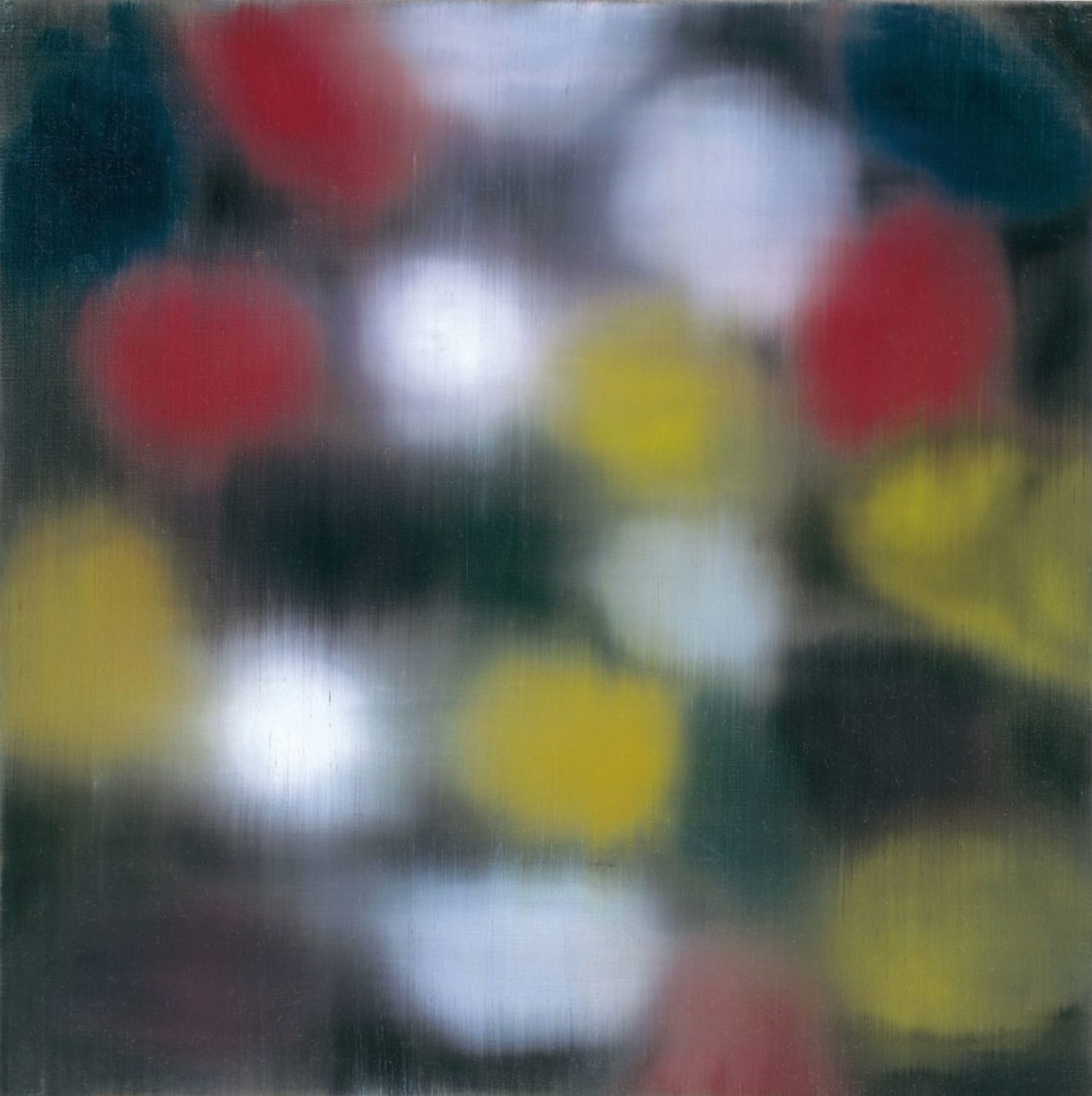
The paintings of Ross Bleckner (American, b. 1949) which, at least in the case of those collected below, feel to me like depictions of how maddeningly unclear and uncertain things can be yet with so much still persisting as beautiful and ever-trying and colour.
In Iraq,
after a thousand and one nights,
someone will talk to someone else.
Markets will open
for regular customers.
Small feet will tickle
the giant feet of the Tigris.
Gulls will spread their wings
and no one will fire at them.
Women will walk the streets
without looking back in fear.
Men will give their real names
without putting their lives at risk.
Children will go to school
and come home again.
Chickens in the villages
won't peck at human flesh
on the grass.
Disputes will take place
without any explosives.
A cloud will pass over cars
heading to work as usual.
A hand will wave
to someone leaving
or returning.
The sunrise will be the same
for those who wake
and those never will.
And every moment
something ordinary
will happen
under the sun.
—Dunya Mikhail, excerpt from the poem “The Iraqi Nights”, from The Iraqi Nights (New Directions, 2013)
Particularly the last four lines of this—And every moment / something ordinary / will happen / under the sun—I find to be extremely affecting, the mention of ‘ordinary’, the idea of each and every moment within a day having the potential for the sheer ordinariness of people to be expressed: as care, as nourishment, as eyes looking up to the weather or down at the floor, as week-old babies, as harvests, as rest, as the sun rising regardless of witnesses, as usual. This are the things which should be happening too in Palestine, which should always have been able to happen—everywhere and forever—things which have been taken in the most violent ways conceivable from native people and native lands, ways which we are told are inevitable just how it goes just how it is just keep quiet and go along with it while leaving out the most true parts. It is not inevitable though, the violence of genocidal displacement and engineered famine is not justified in any universe now nor in any universe ever, and the reluctance of some, still, to speak about this (read: to do something about it) leaves me wholly concerned for the pieces inside a person which are supposed to feel, to discern, to question, to love.
I would like for the world to do better.
Again and for however long necessary: (Actions for demanding a Free Palestine and an end to genocidal occupation.) / (Reading list for a Free Palestine.) / (Postcards for Palestine, free PDF downloads.) / (Send a physical postcard demanding an end to UK arms sales.) / (Ten free ebooks for getting free from Haymarket Books.) Also: (Support verified Sudanese support campaigns.)
Paid supporters of The Sometimes Newsletter will (sometimes) receive one or two additional pieces each month, including things like short stories, illustrated mini essays, and more detailed looks into creative processes. The most (somewhat) recent of these being:
Your posts are, for me, a bit of light in the dark. Thank you ❤️