

No.266

Many of you will be familiar with this newsletter arriving on a Saturday afternoon and may therefore be surprised to find yourself instead receiving it on a Sunday—to be perfectly honest I have let time slip past me in a looser, more chaotic way during the past few weeks: entirely ceasing to write to-do lists, consolidating both physical and emotional facts, reading things, rushing to get the manuscript of my next book returned after copyedit, rushing to sow seeds and process wind-felled apples and to remedy garden damage after a strangely-timed storm. In summary: noticing the flailing animal body and how it might actually feel about the slowing down of summer.
It’s felt more important than usual to notice small beauty—and my usual is everything beautiful*—but in a slightly different way, one which is focussed less on the recording and more on the undiluted absorption, because I do wonder occasionally if making beauty a kind of work leaves me at times not unlike a duck in the rain i.e. it will just bead off me, like how when you applied some sort of coating to the car windscreen and for a while afterwards we didn’t even need to use the wipers when it rained because water was being repelled so effectively.

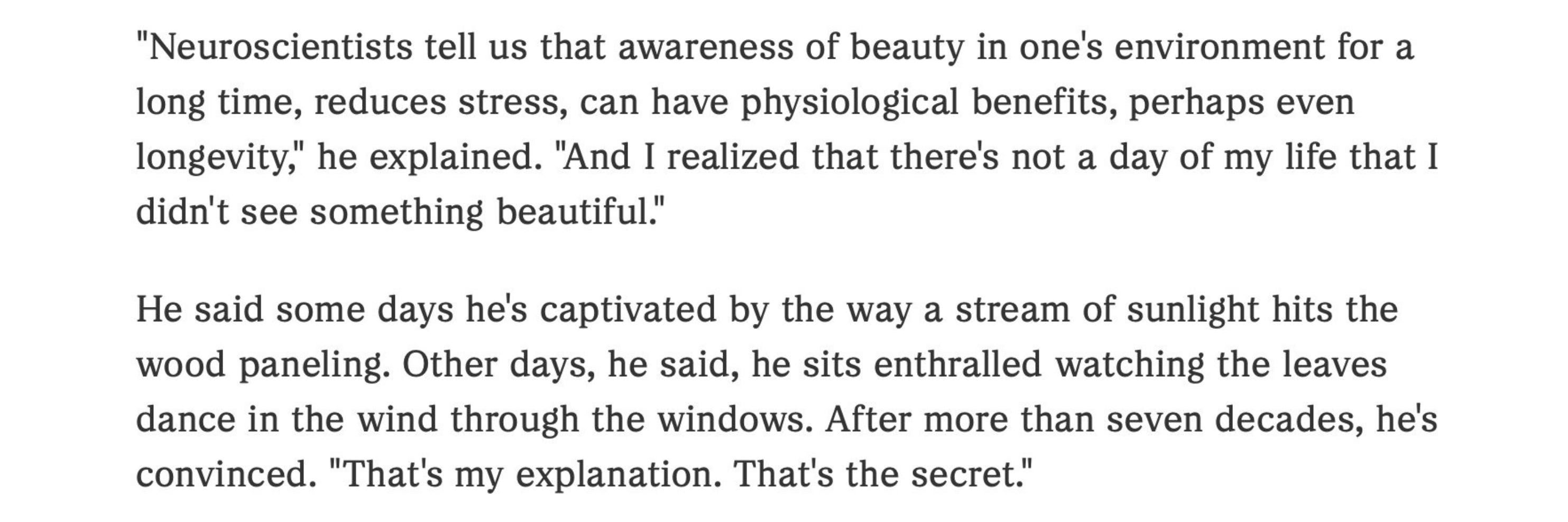
The above voice is Roland Reisley, who is now 101 years in age and is the last living client of the late American architect and designer Frank Lloyd Wright, and when I read this I felt glad, though unsurprised—of course awareness of beauty benefits us, of course it helps us lead healthier and fuller lives, of course experiencing awe and wonder and astonishment are enriching to a person, to every person, and I don’t think those things need to be any kind of secret. Those who know me best are unflapped when I get distracted by looking at sunlight patterns on the wall, or when I stoop to pick up tiny feathers or pleasing leaves, or by my incessant pointing-out of smallness—to be honest I think this tendency is likely something which survived oddly, unfathomably, unscathed through childhood.
Soon enough we will have no choice but to let go of the sun’s warmth, at least in the further reaches of the Northern Hemisphere, and within that transitional space there is endless, fire-warmed room for noticing the changing beauties: birds leave if they haven’t already, the river swells, the leaves sugar themselves before recoiling and letting go, the blues shift, the feet spend more time cold, the snow falls, and then there are millions more details to take notice of, the sorts which can at best leave a person less in doubt as to the reasons for being, the reasons for fighting, the reasons to love ever-more strongly.

*My fifth book was Everything, Beautiful (Penguin, 2022), a guide of sorts to noticing and appreciating more the kinds of details which can, as paper-thin yet essential layers, can add up to an entire life of felt beauty (US edition, UK edition).

WORK-RELATED:
It has been a small while now since the release of Orion’s summer issue, but this season is still very much trying its best to hang on for just a little longer here, just a little bit more despite the Earth’s insistent orbit of the sun, and within the issue’s theme of mushrooms—‘The Future is Fungi’—there is much to digest and dwell upon as the evenings become slowly but perceptibly darker. My usual Root Catalog column is this time physically accompanied by a broadside (initially I typed this out as breadside which is nice also), a poem from Jennifer K. Sweeney.
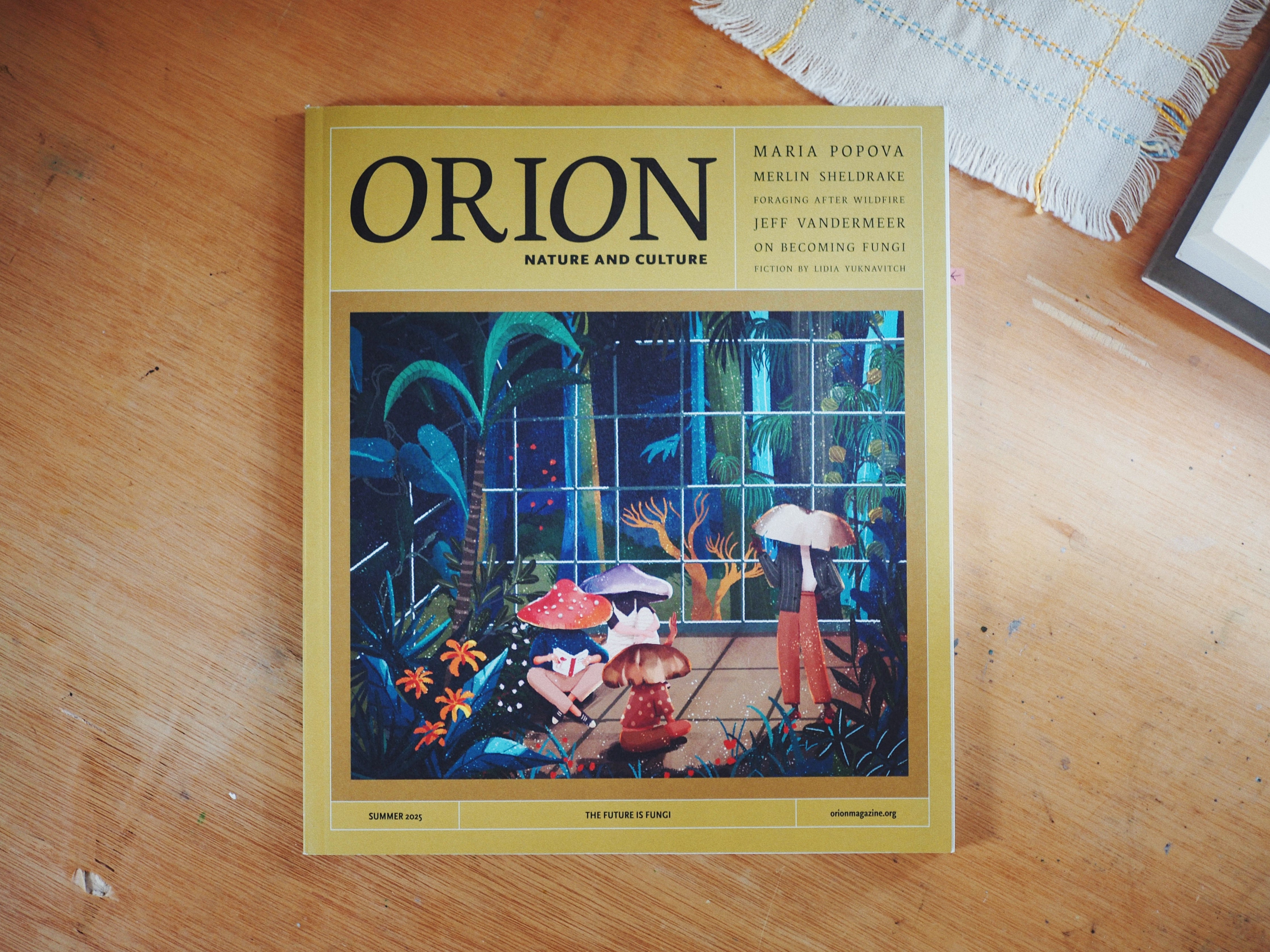
As I’m designing these issues I inevitably wind up reading many of the poems and pieces, either in part or in more-or-less whole, to better understand the visuals needed, and also because they are all so good. Nevertheless, sitting myself down someplace soft with the physical copy when it arrives—regrettably a short while after its US-mail-address siblings—has become a wholly enjoyable and sacred thing, one which reassures me every time that there are a great many other people who are thinking deeper, deeply, about the important and tender topics, writing about them with such attention and experience and truth. I’ve been sitting down with Orion for over five years now, and I hope to be able to sit down with it for a long, long time yet.
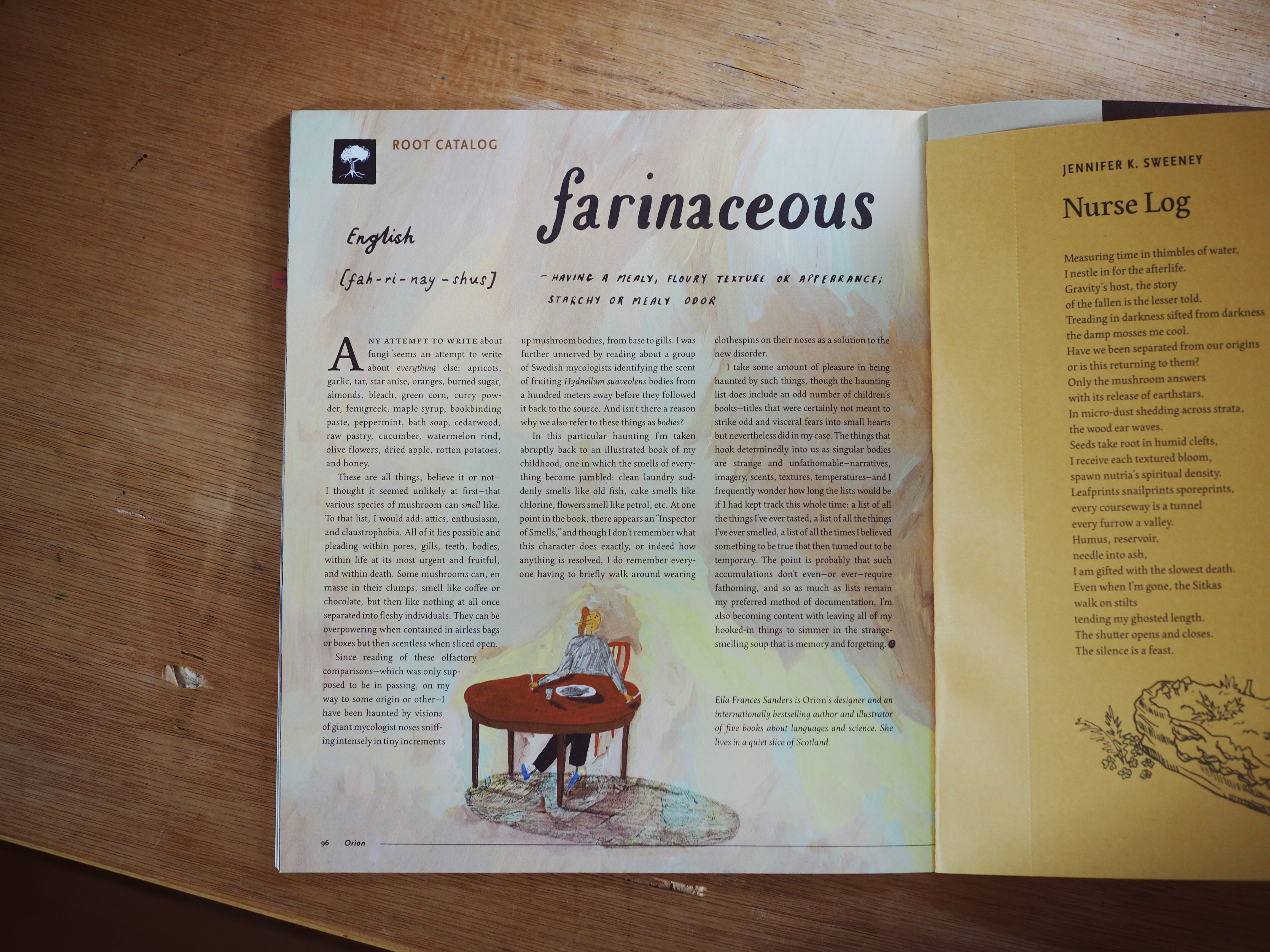
From Root Catalog:
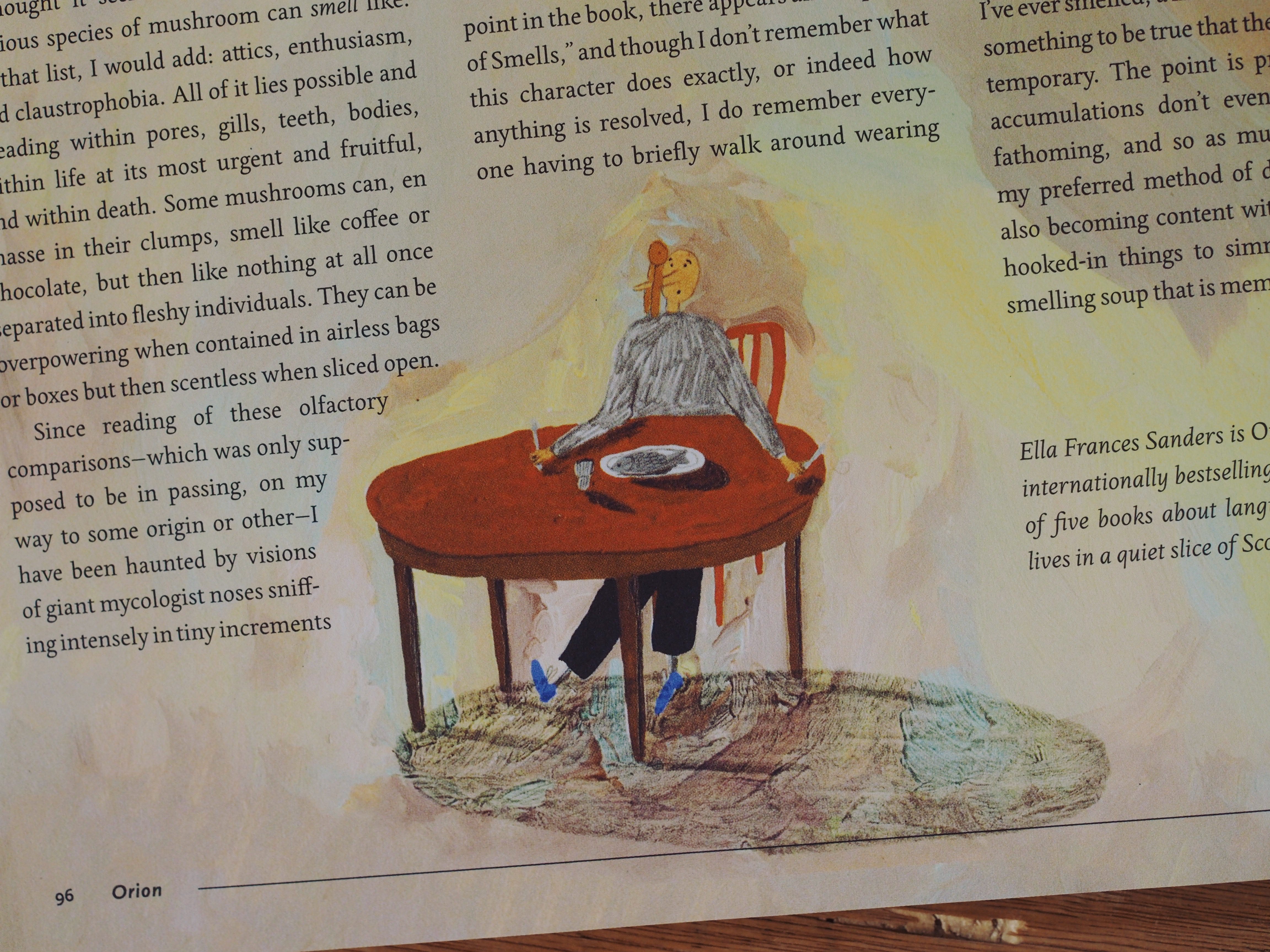
“I take some amount of pleasure in being haunted by such things, though the haunting list does include an odd number of children’s books—titles that were certainly not meant to strike odd and visceral fears into small hearts but nevertheless did in my case. The things that hook determinedly into us as singular bodies are strange and unfathomable—narratives, imagery, scents, textures, temperatures—and I frequently wonder how long the lists would be if I had kept track this whole time: a list of all the things I’ve ever tasted, a list of all the things I’ve ever smelled, a list of all the times I believed something to be true that then turned out to be temporary.”


THIS WEEK I FELL IN LOVE WITH:
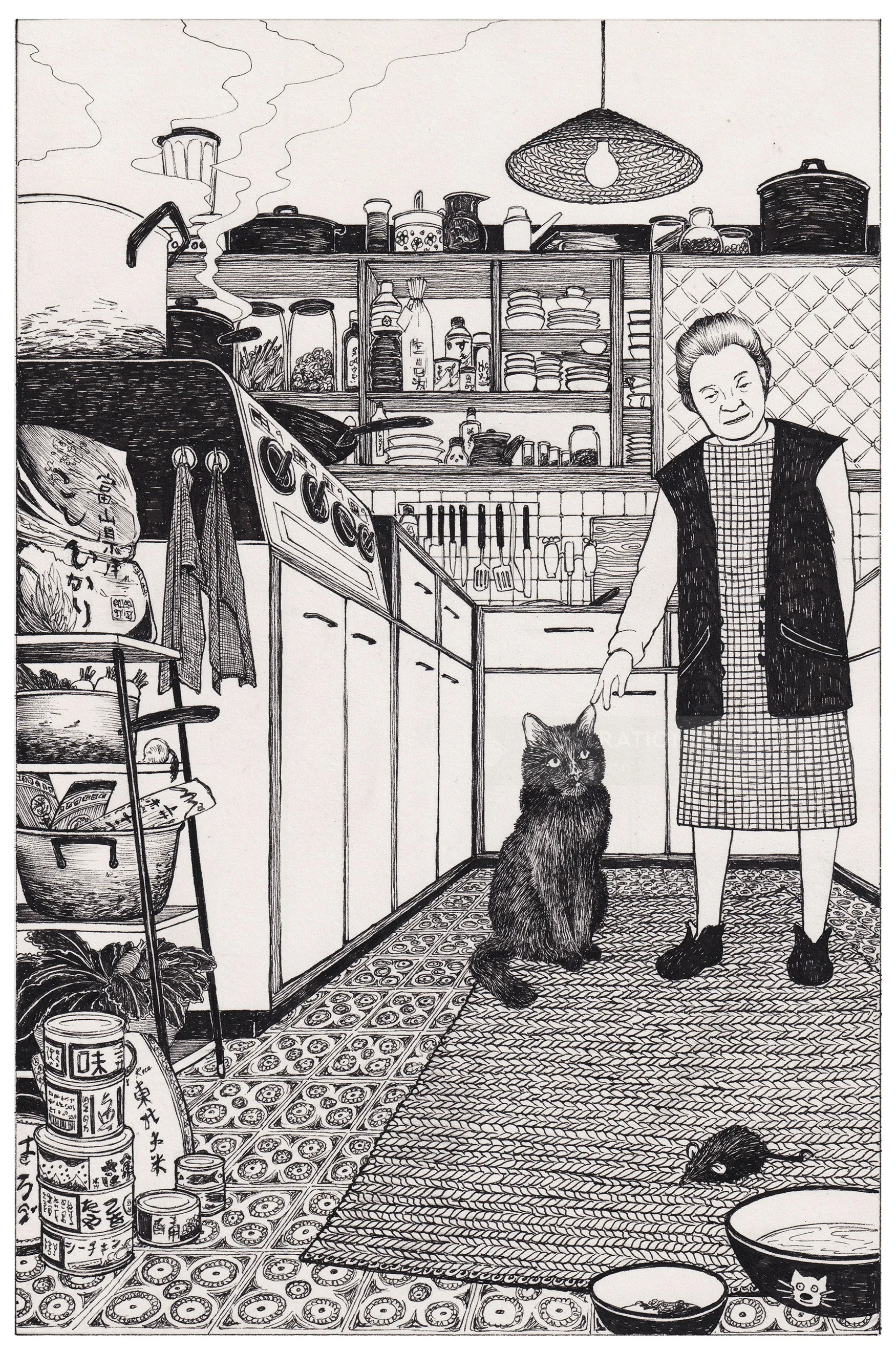
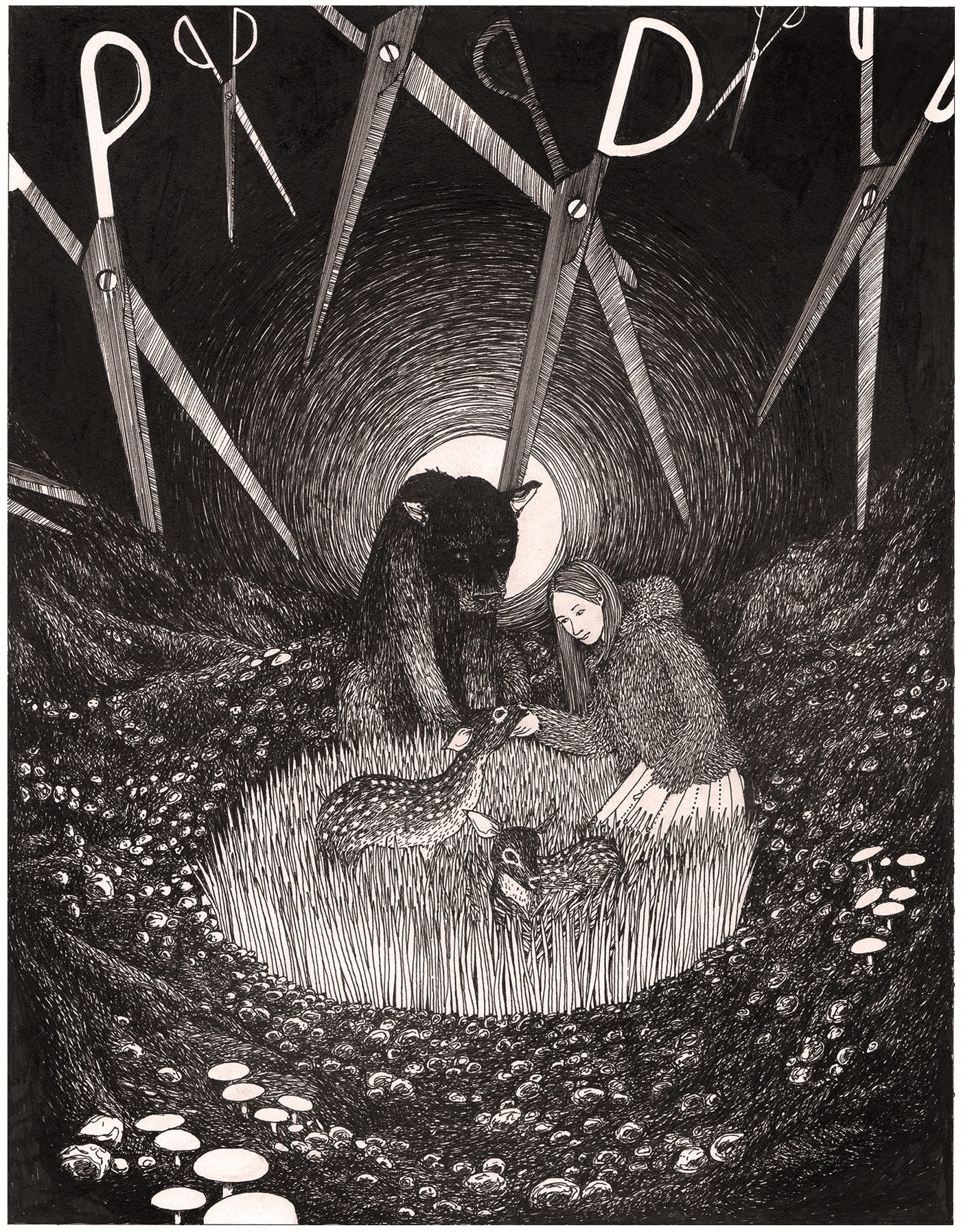
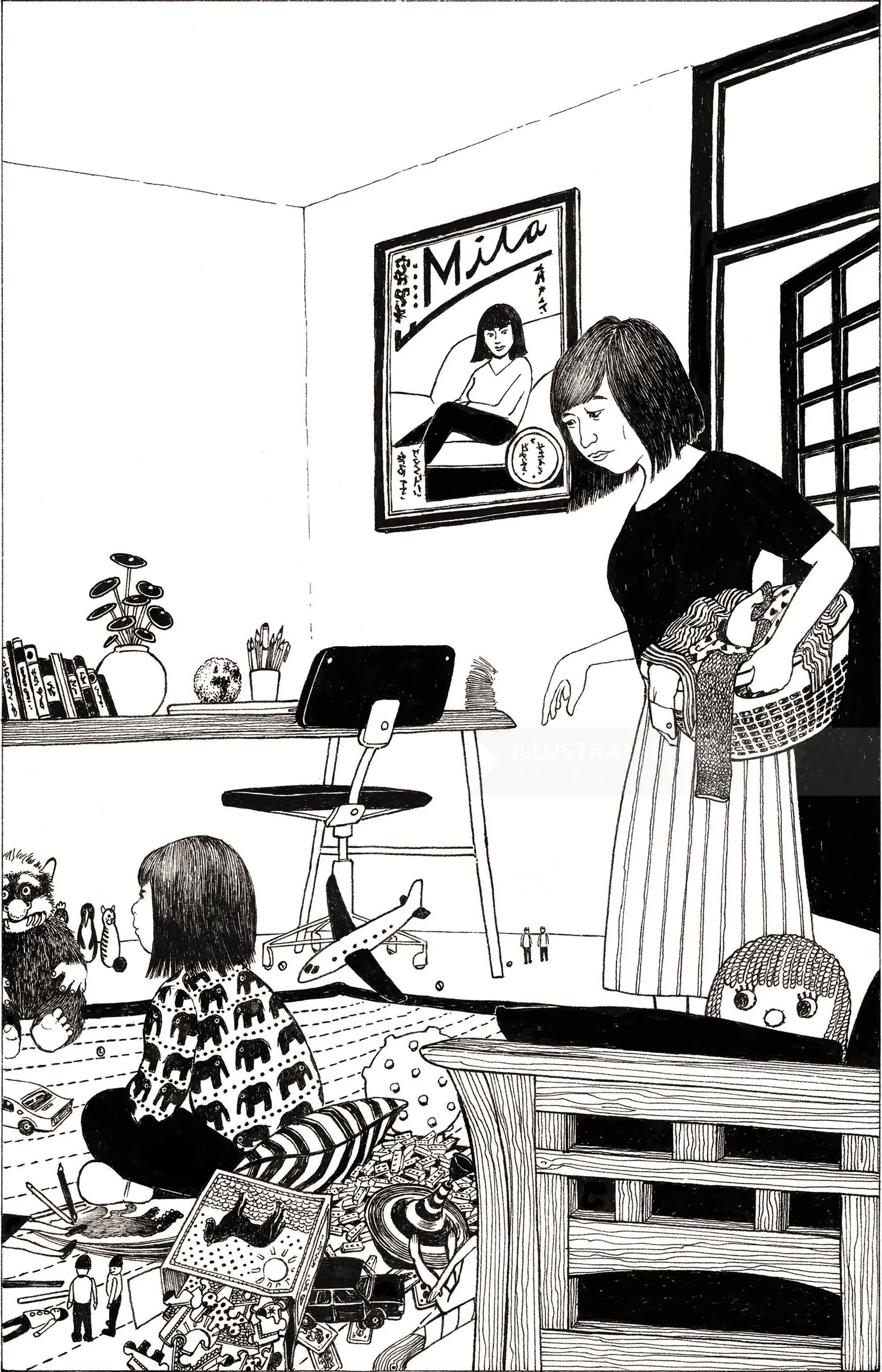
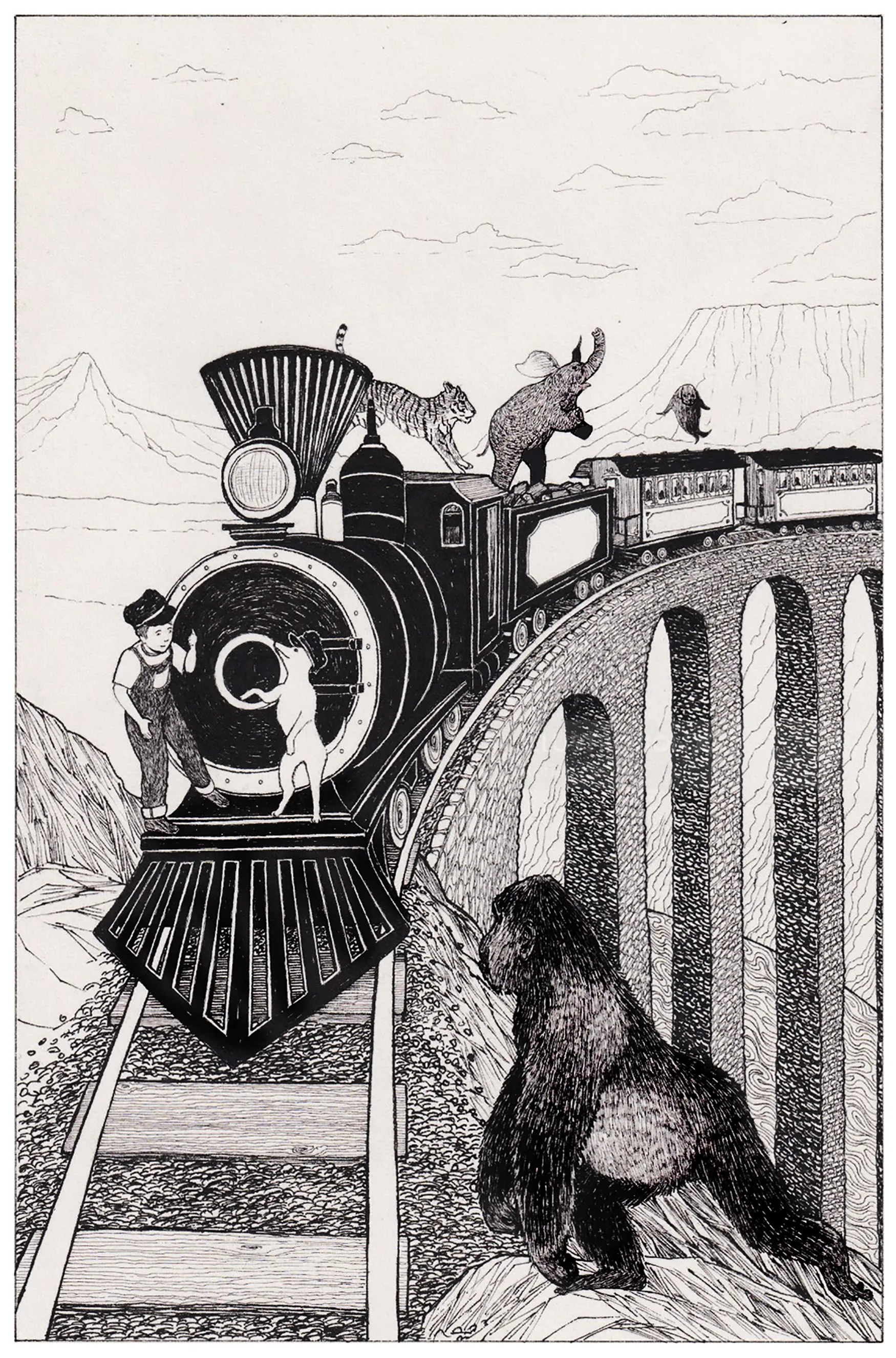
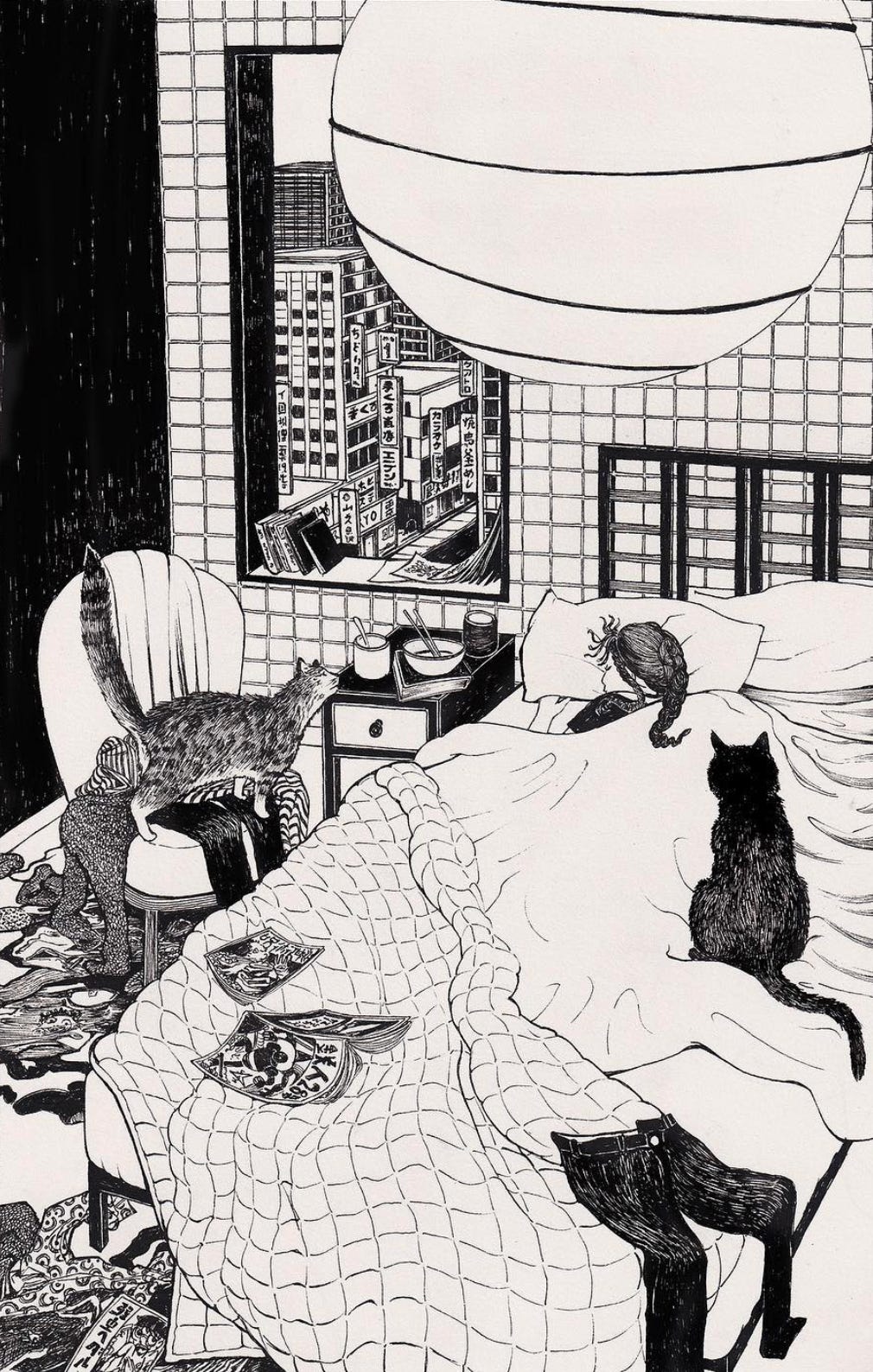
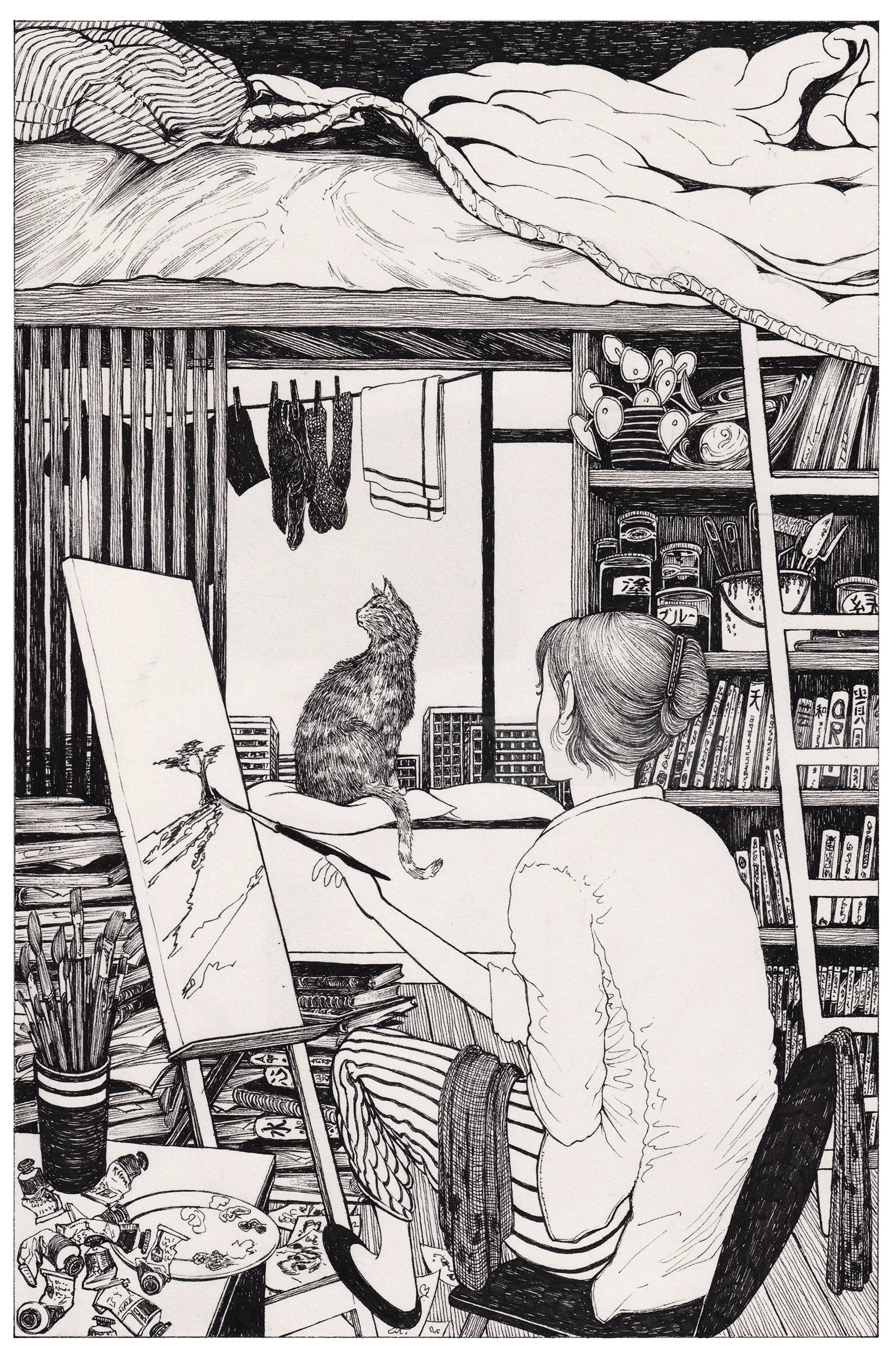
Having noticed a copy of What You Are Looking For is in the Library by Michiko Aoyama on the small table of ever-changing-mostly-peculiar-or-dejected secondhand books in the local supermarket, I subsequently fell in love with the illustrations which begin each chapter, for which Rohan Eason is responsible. I picked up the book because I’m forever in the habit (good or bad or neither, it is unclear) of reading Very Serious Things, fiction or not, which are emotionally draining or somewhat distressing or heavy in feeling or remarkably educational but which also feel necessary to read and absorb—it was clearly time, after a summer storm folded over half the garden, to pick up a lighter read.
What I’ve realised, perhaps only in the few seconds since finishing the above sentence, is that the lightness or heaviness of a book depends on who is doing the reading—an obvious statement, perhaps, likely a law of the universe, but this would explain why even when choosing books that profess to be lighter of heart, I still find them provoking a great many Serious Thoughts. To fall in love with though, one of which (3rd) is an opening to a chapter in the book:
Yesterday, a friend in California, when giving me directions, told
me I could take the trail toward the tall pines or turn left and find
a field of poppies, growing gold and savage at the edge of the valley.
When I asked which to choose, she simply shrugged and said:
either way, it’s all heaven.
—Joy Sullivan, from “Culpable”, Instructions for Traveling West
Again and for however long necessary: (Actions for demanding a Free Palestine and an end to genocidal occupation.) / (Reading list for a Free Palestine.) / (Postcards for Palestine, free PDF downloads.) / (Send a physical postcard demanding an end to UK arms sales.) / (Ten free ebooks for getting free from Haymarket Books.) Also: (Support verified Sudanese support campaigns.)
Paid supporters of The Sometimes Newsletter will (sometimes) receive one or two additional pieces each month, including things like short stories, illustrated mini essays, and more detailed looks into creative processes. The most (somewhat) recent of these being: