

No.254

January ending, a list:
Frequentely wondering what will become of us all
Snapping a 3.5mm knitting needle in half (though not on purpose) such is my apparent determination to finish a hat
Purchasing eighty-eight packets of seeds during something of a frenzied week, many of them horribly optimistic for the Scottish climate and yes a person does need three types of Scabiosa in order to face the prospect of another year containing all manner of both good and awful things
A dialect term from the northern Veneto region of Italy, freschin, which is the scent of either fish or eggs left in a pan even after it has been washed
Someone mentioning that they know of a 54 year old man who has a stash of mince pies in his freezer which were made by his mother in the 1980s; he eats one mince pie each year at Christmas
The phrase ‘fell quite flat on camera’
“Humans can adapt to endure almost anything, but in doing so, they sometimes perpetuate incredible evil. The death of human empathy is one of the earliest and most telling signs of a culture about to fall into barbarism.” —Hannah Arendt

That Indigenous communities are around 1% of this Earth’s total population, that their traditional lands are about 25% of this Earth’s surface and that within those lands exist 80% of the world’s remaining biodiversity
It is possible to reflect insetad of solve
Young women
were afraid of winged dragons, but felt
relaxed otherwise.
—Terence Winch, “Social Security”That not many young women do feel relaxed at this moment
Electing to go on a 2-hour round trip in order to procure a single fennel bulb
You finding eight Persephone Books editions at the local secondhand bookstore, in addition to six or seven striped and non-striped spines from The Womens Press. I’m hoping at some stage to happen upon a copy of The Hopkins Manuscript by RC Sheriff, published in 1939 and considered an early piece of climate fiction, which wonders what would happen if the moon were to fall into the Earth—the narrator living in a small Hampshire village and primarily interested in his Bantam chickens
I still dream of Brazil
A sentence from January 2019 which still feels tender: I plucked off the smallest feather from the back of your right shoulder, it settled and stuck in a stubborn way to the side of the metal sink; didn't want to leave, stayed there while I washed up breakfast dishes and wondered what the clouds would do with themselves today
A sentence from January 2020 which still feels tender: Almost all of the birds look thin / I fear that I am a creature of habits
A sentence from January 2021 which still feels tender: We are walking slowly, syrup-like, enjoying the air and the feeling of possibility that only seems to be detectable when the wind picks up
A sentence from January 2022 which still feels tender: If this month suffers from anything it is the ways in which people think too far ahead and fill themselves up with unsolvable distances / More things are more exhausting, and they are exhausting more quickly
A sentence from January 2023 which still feels tender: It is the way the postman has to turn sideways to get past the bicycles and the way I always apologise about having nowhere else to put them, it is the distance between the washer and the dryer, it is not being able to eat the eggs quickly enough, it is saying see you later and wanting it to be true more than anything else that has ever been true
A sentence from January 2024 which still feels tender: A strange day on which to be carrying on


THIS WEEK I FELL IN LOVE WITH:
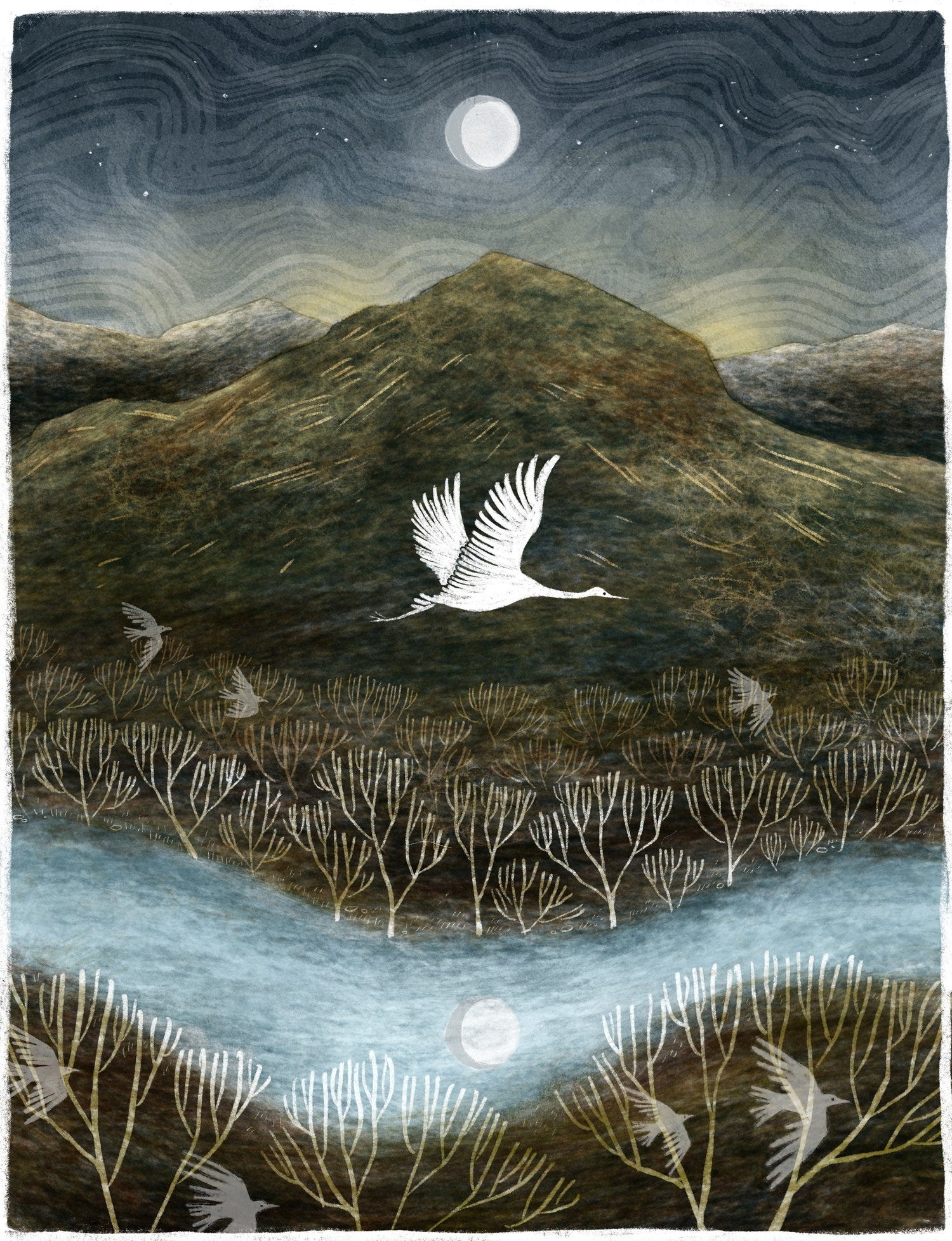
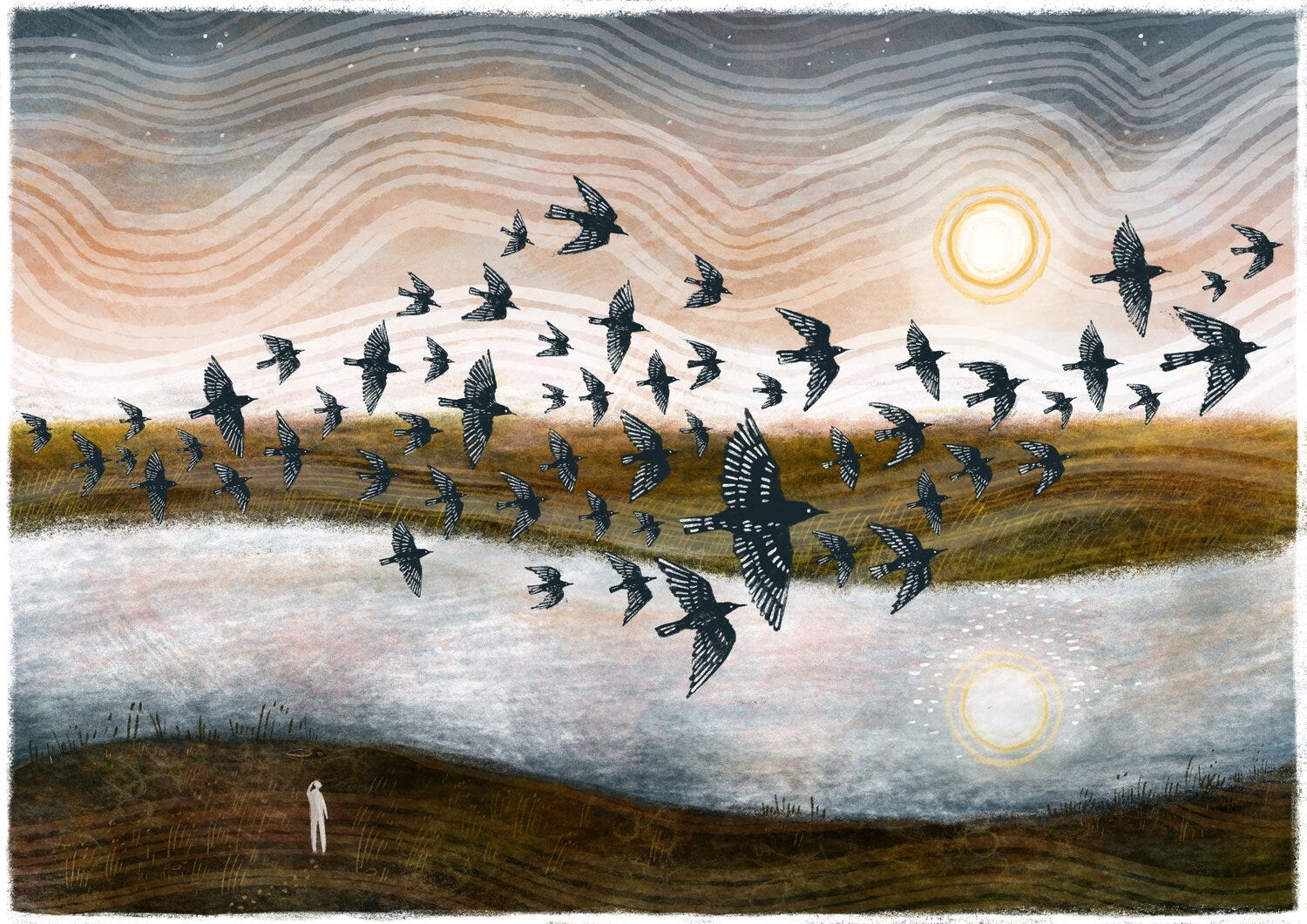
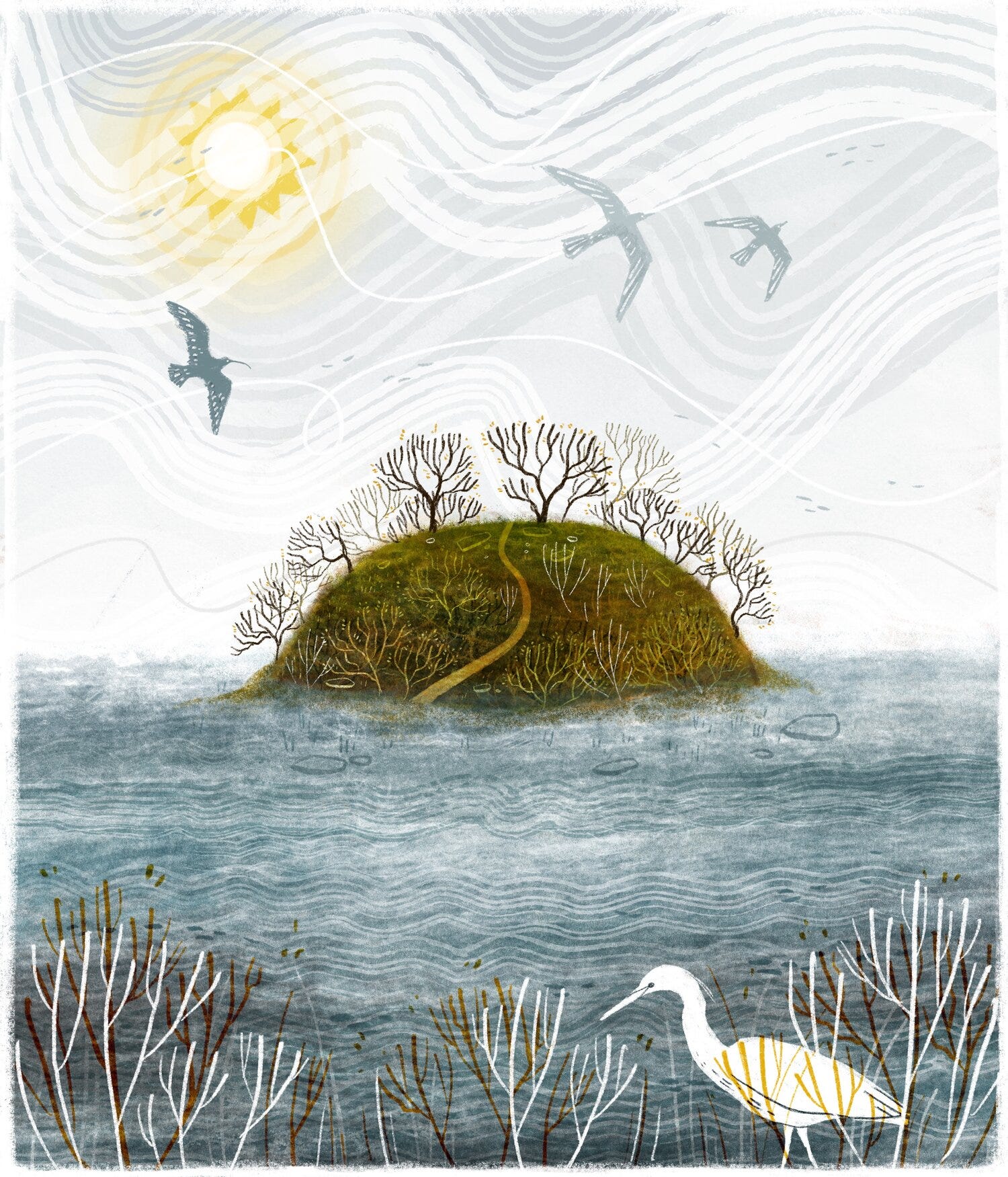
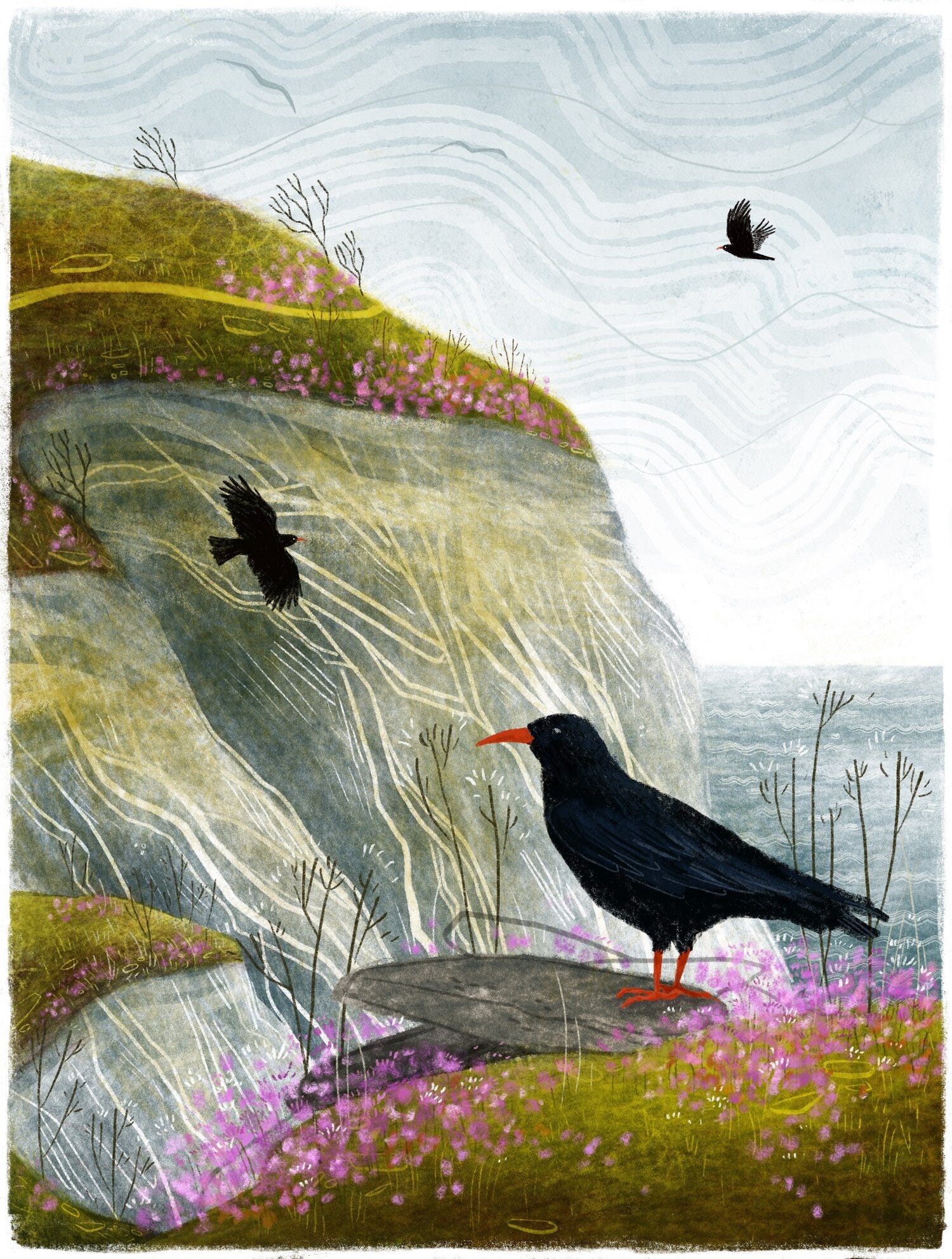
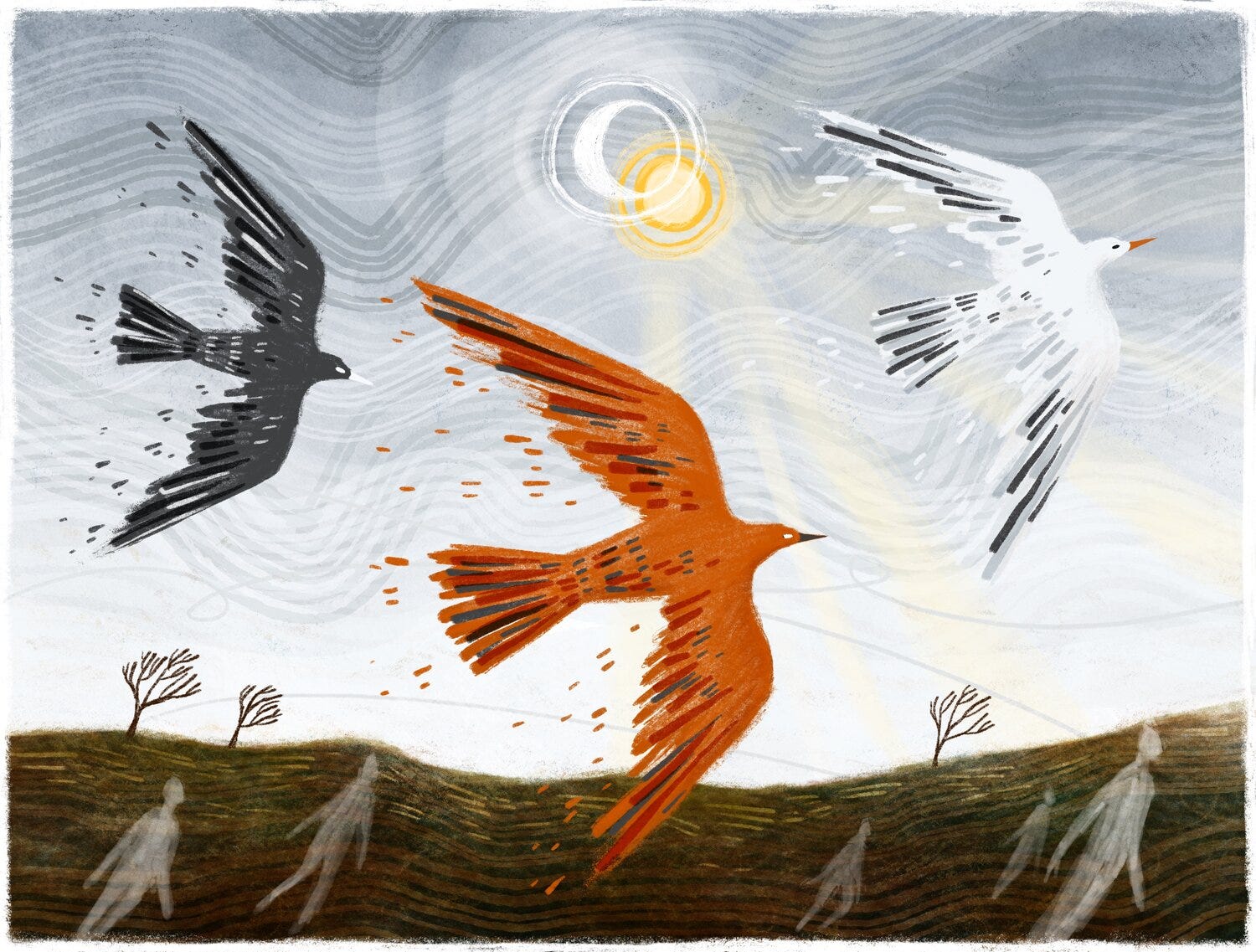
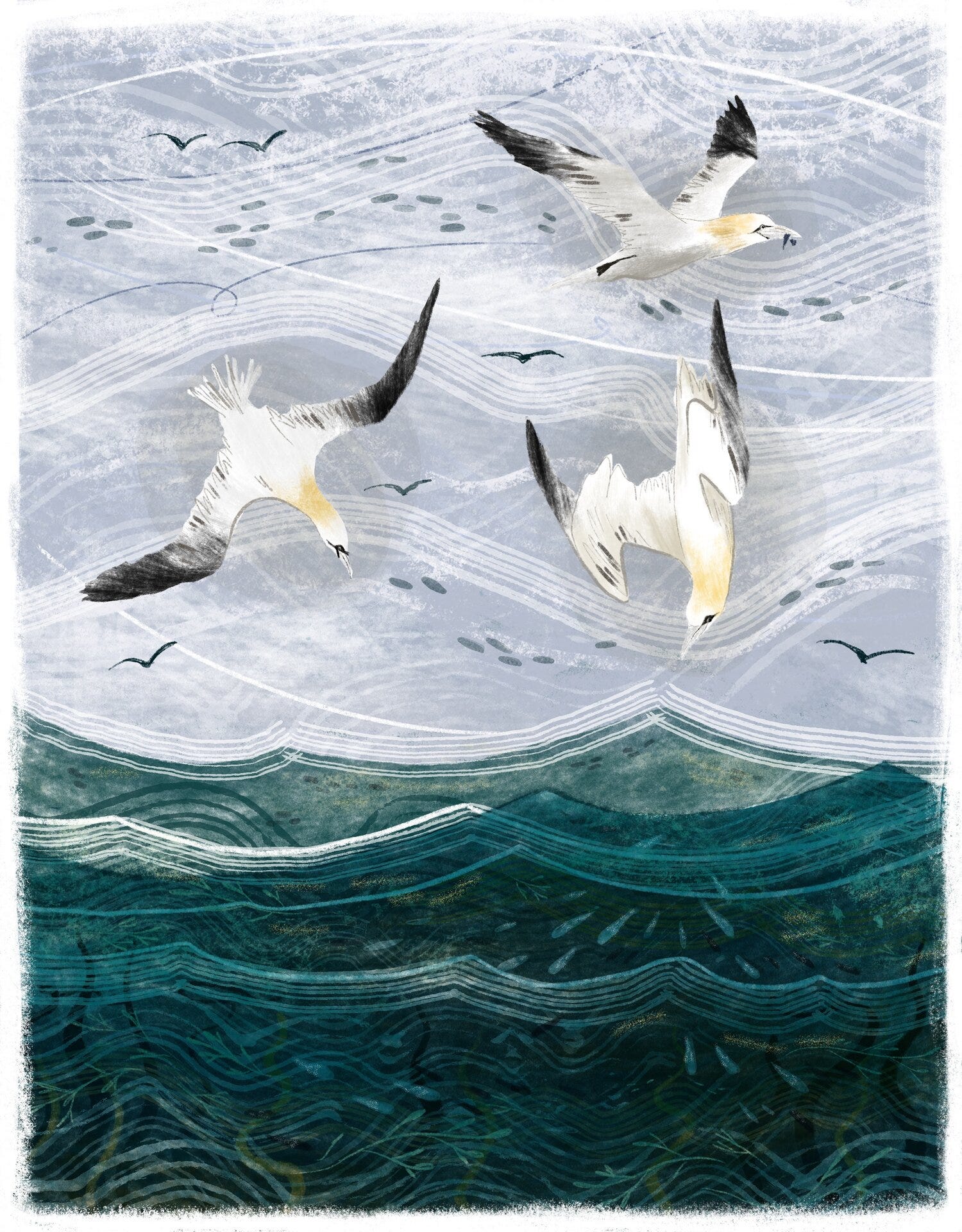
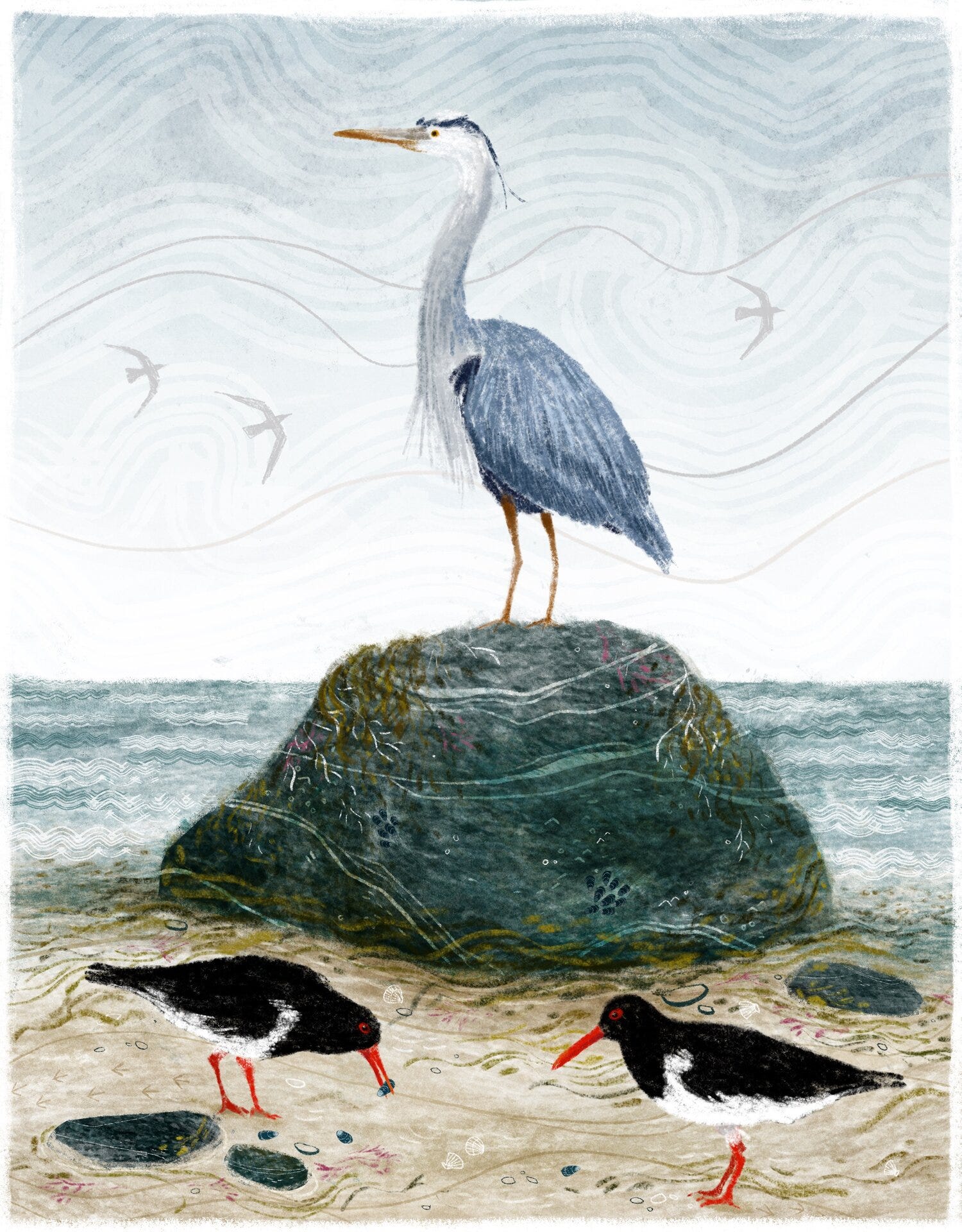
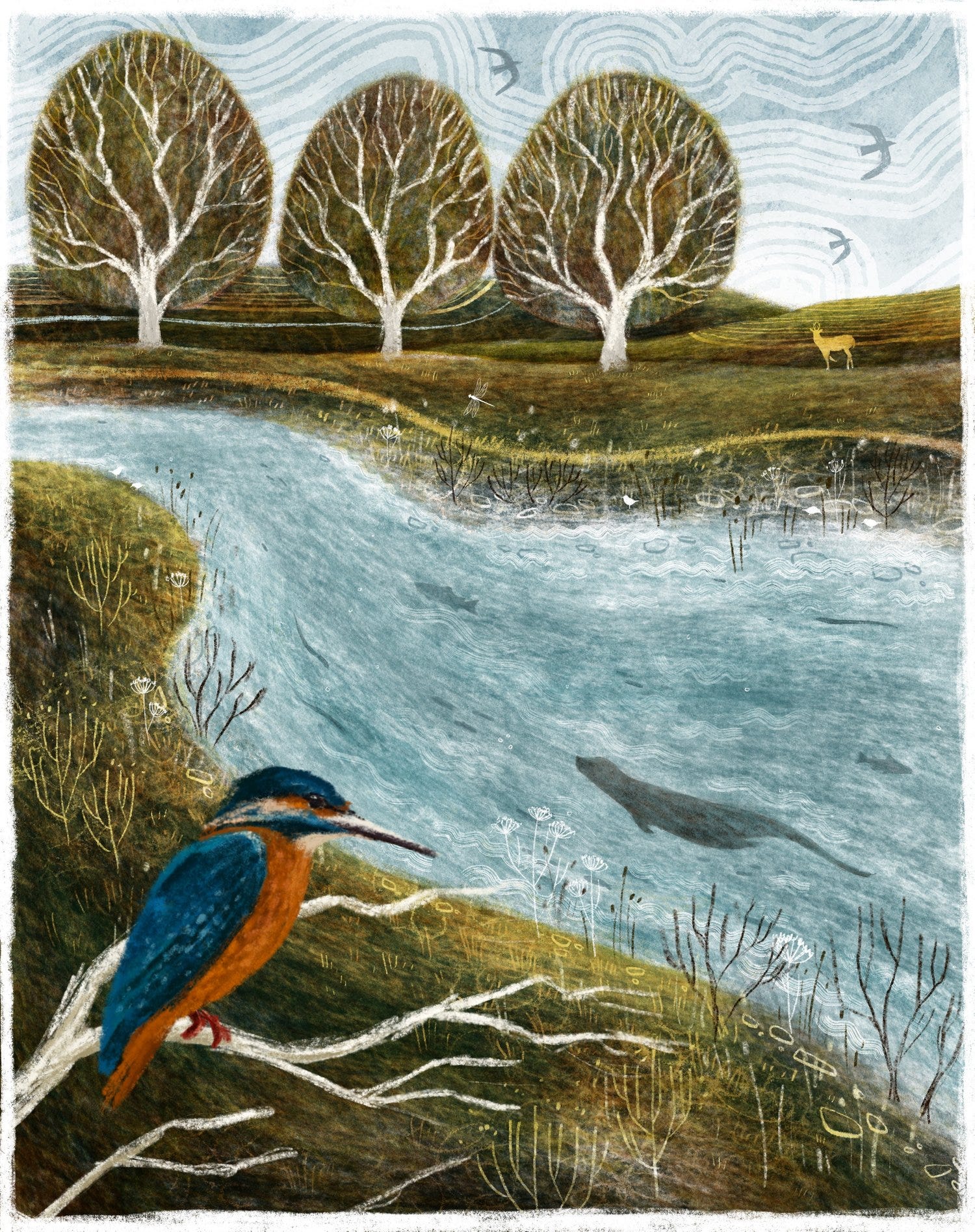
Various wintry birds by Welsh artist Elin Manon.

On that amazing ability we have for finding incredible ways to avoid the work:
“But at any rate see to it that you get something out of you while you’re still capable of accepting what you produce, while you’re still naive enough to do so. We can fear our own work finally, shun it, flee from it like the plague, find incredible excuses for avoiding it. Hurry up and get something down before you reach that stage.” —Cora Sandel, Alberta Alone
(I will be sorry to reach the end of this trilogy.)
And:
“All the long-range back and forth in the shuffle and shuttle of being alive. And the preservation of a few of the heights in all the years. For I believe that at five we reach a point not to be achieved again and from which ever after we at best keep and most often go down from. And so at 2 and 13, at 20 & 30 & 21 & 18 — each year has the newness of its own awareness to one alive.
...
Rather let life itself grow living monuments out of trees and living words so that death can never take from our half-lives this radiant living that was lived among us.” —Margaret Wise Brown, from her diary
Again and for however long necessary: (Actions for demanding a ceasefire in Palestine.) / (Report Palestinian censorship in publishing.) / (Reading list for a Free Palestine.) / (Print your own postcards to demand an arms embargo and freedom for Palestine.) / (Send a physical postcard to a government official for the cost of a stamp.) / (Ten free ebooks for getting free.)
Paid supporters of The Sometimes Newsletter receive one or two additional pieces each month, including things like short stories, illustrated essays, and more detailed looks into creative processes. The most recent of these being:
On Birds and Things Being Bearable

The neighbour calls it ‘Hitchcock hour’ but I think of it as ‘the time twice a day when for a short moment absolutely everything is bearable because there are birds’. They are beaked noise, and hypnotic movement, and reassurance. A feathered reassurance darkening the sky at certain moments in their thousands, and I can never take a photograph of quite what it all means. There are things a person just